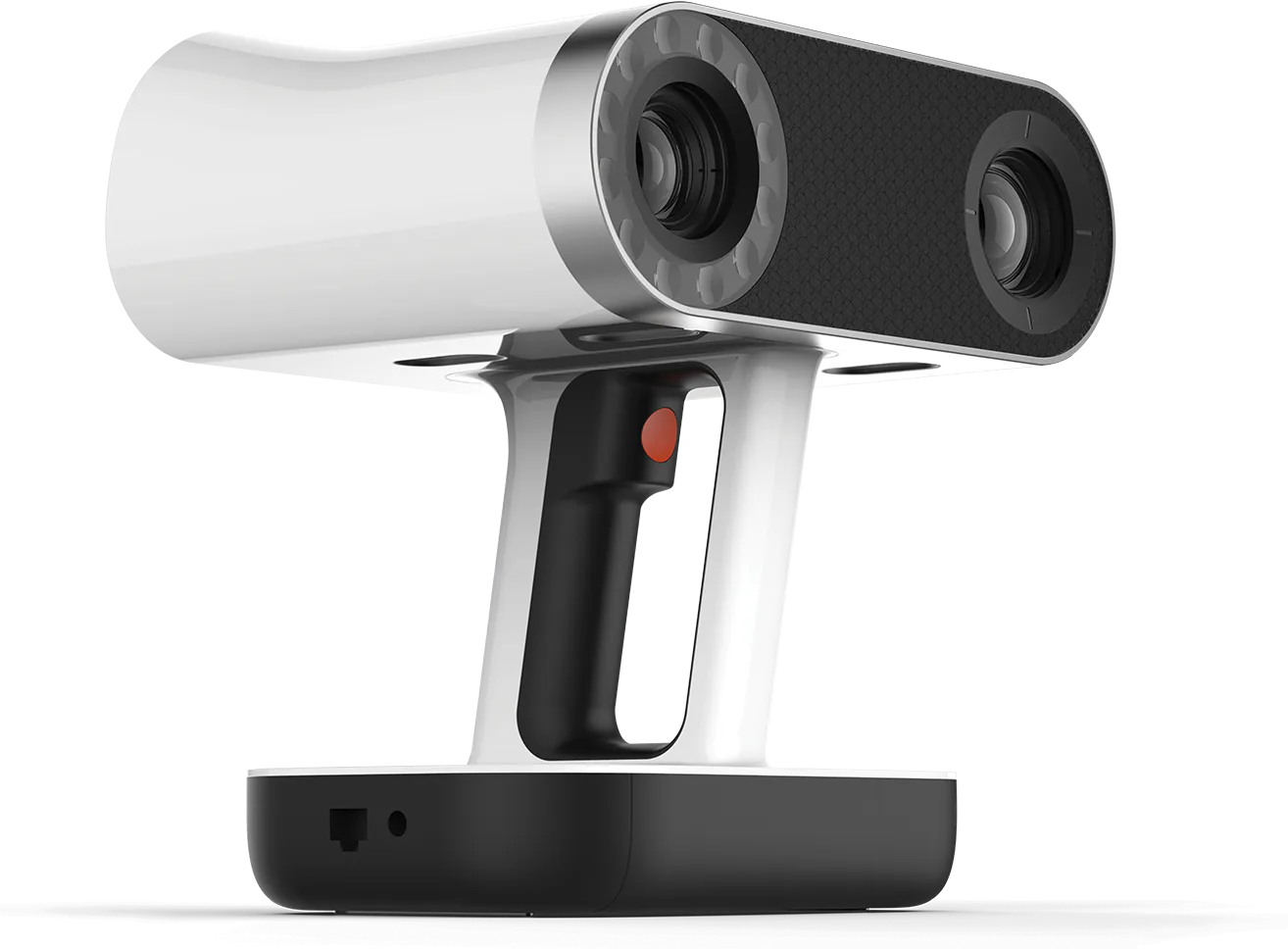
Artec
Leo
Wireless handheld 3D scanner with onboard processing
0.1 mmBest accuracy
A fully wireless scanner with its own screen, processor and battery for medium to large objects.
- Part size
- 0.2–2 m
- Targets
- Not needed
Artec 3D scanners from us
Capture shape and color in one pass, scan without targets on the object, and take a scan to CAD or inspection in one program. We sell Artec 3D scanners, and this page sorts every Artec scanner and software product by the job it does.
Artec at a glance
Choose Artec when you scan many kinds of objects and want capture that is quick to set up. Most Artec handhelds track on the object's own geometry and color texture, so the Eva, Spider II and Leo need nothing stuck to the surface. The Leo is fully wireless, with its own touchscreen and onboard processing, which helps in the field and around large objects. Where tolerances matter, the Point II and Neo bring metrology-grade accuracy, and the Micro II measures small parts on a desktop. Every Artec scanner except the Jet feeds Artec Studio, whose Autopilot mode guides new users through processing.
The Eva, Spider II and Leo track on the object's own shape and texture, so nothing has to be stuck to the surface.
Most Artec scanners record full-color texture in the same pass, which helps in design, medical and heritage work.
Artec Studio fits CAD primitives, auto-surfaces meshes and runs deviation maps without a second package.
Artec's range covers handheld structured-light and laser scanners, a desktop scanner for small parts, long-range LiDAR for rooms and sites, and the software that ties them together. The groups below sort each product by how it captures data. Each card shows the stated accuracy, the recommended part size and whether targets are needed, so you can build a shortlist before you open a product page.
Carried around the object, from small detailed parts to large machinery.
Wireless handheld 3D scanner with onboard processing
0.1 mmBest accuracy
A fully wireless scanner with its own screen, processor and battery for medium to large objects.
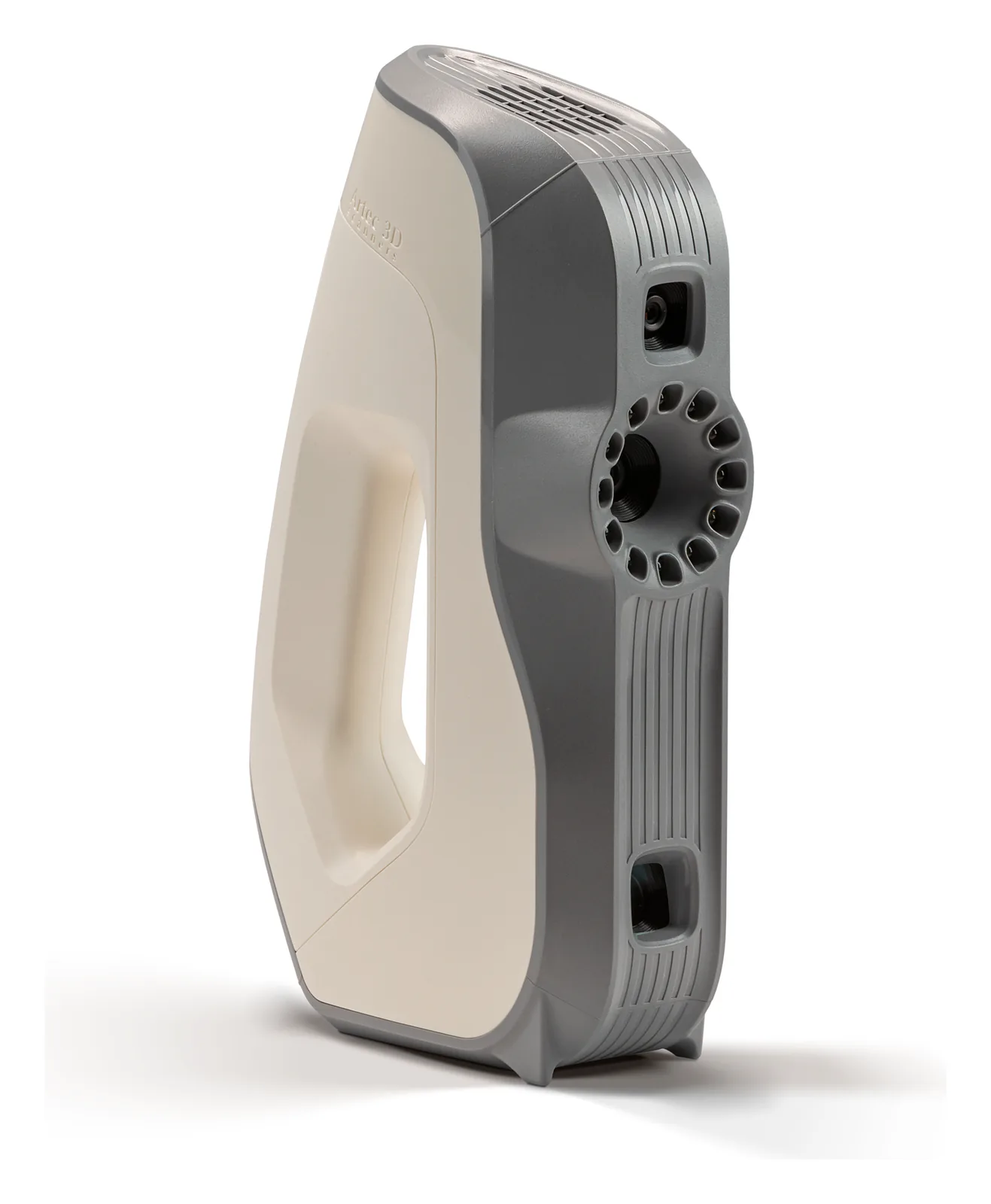
Handheld structured-light 3D scanner
0.1 mmBest accuracy
A 0.9 kg target-free color scanner for medium objects, people and parts from about 10 cm up.
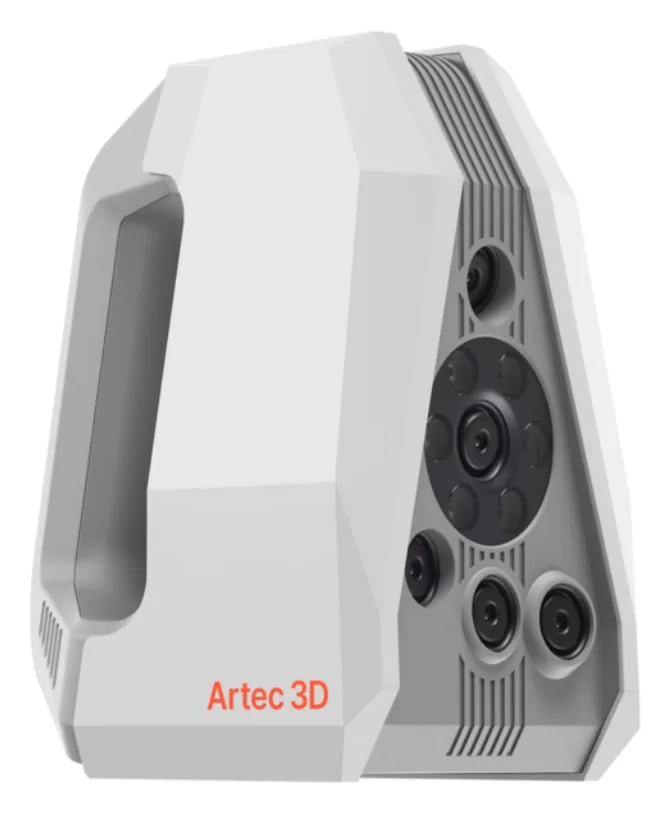
Handheld high-resolution blue-light 3D scanner
0.050 mmBest accuracy
A target-free blue-light scanner for fine detail on small and medium parts, from coins to engine components.
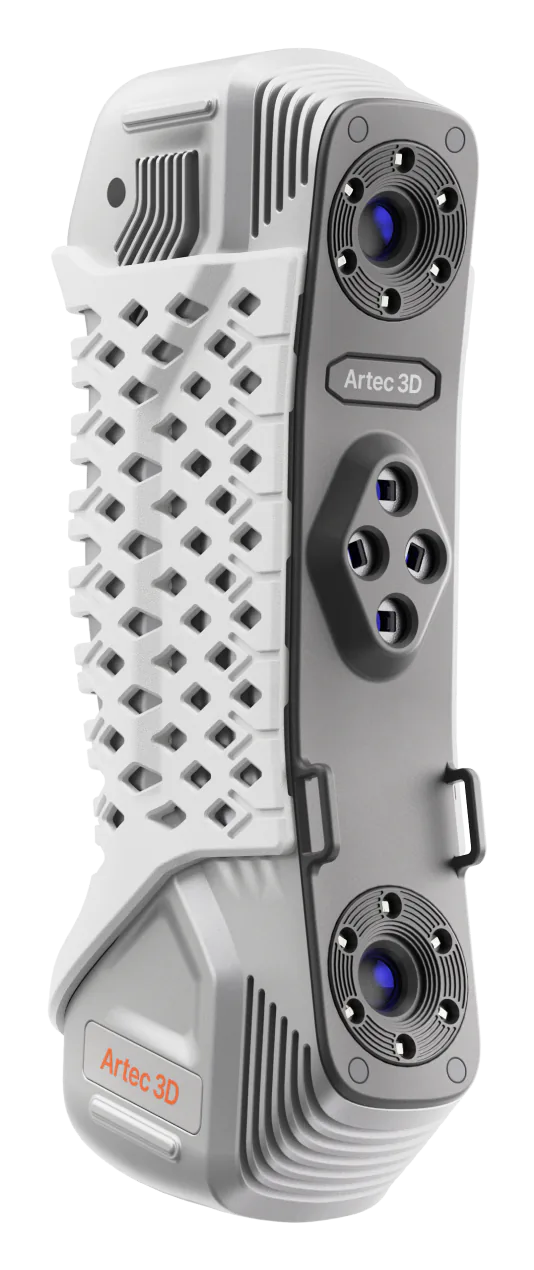
Handheld metrology-grade blue laser scanner
0.020 mmBest accuracy
A 570 g target-based blue laser scanner for metrology work on black, shiny and complex parts.
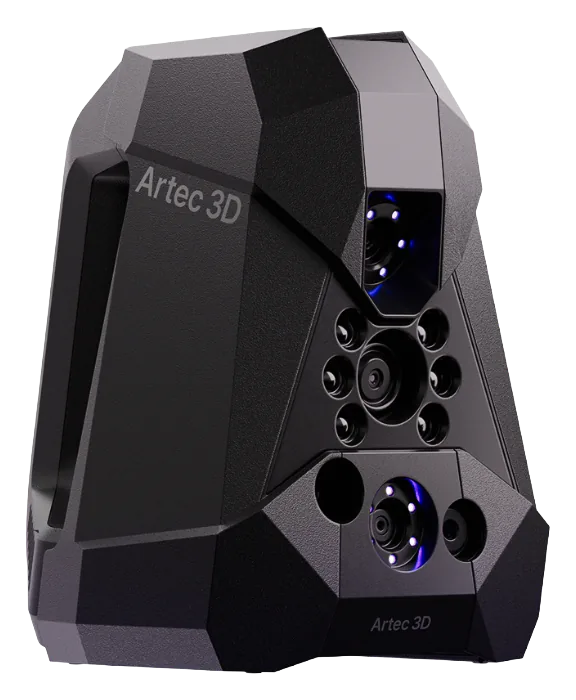
Wireless hybrid handheld metrology scanner
0.025 mmBest accuracy
A wireless handheld scanner that uses targets only where a tolerance must hold and scans target-free everywhere else.
An automated desktop scanner that moves small, high-accuracy parts on a stage.
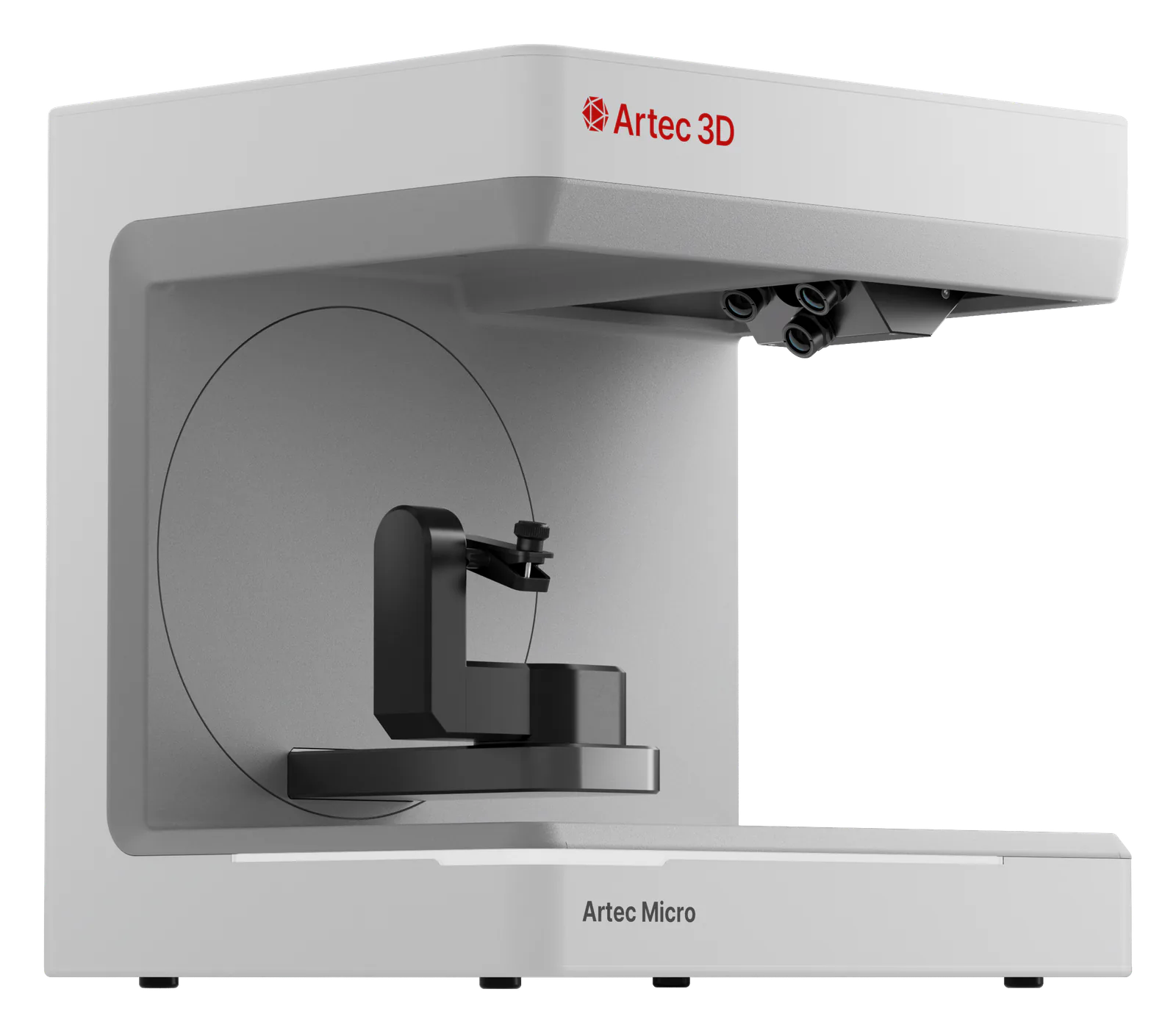
Automated desktop 3D scanner
0.005 mmBest accuracy
An automated desktop scanner that measures small parts to 5 microns with one click.
Tripod and mobile LiDAR for rooms, plants, buildings and whole sites.
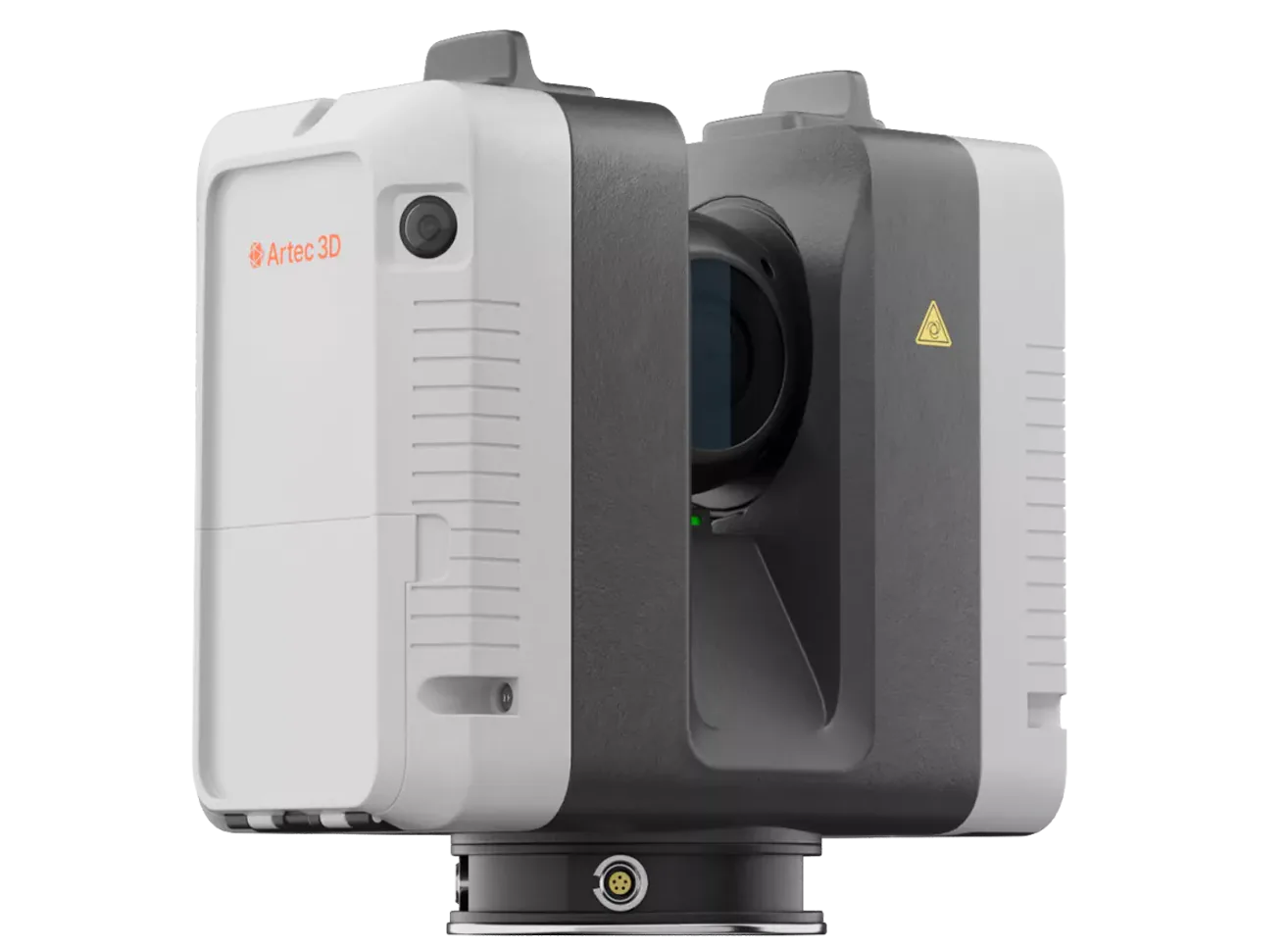
Tripod-mounted long-range LiDAR scanner
1.9 mmBest accuracy
A tripod LiDAR scanner that captures large objects and buildings from 0.5 to 130 m with millimeter accuracy.
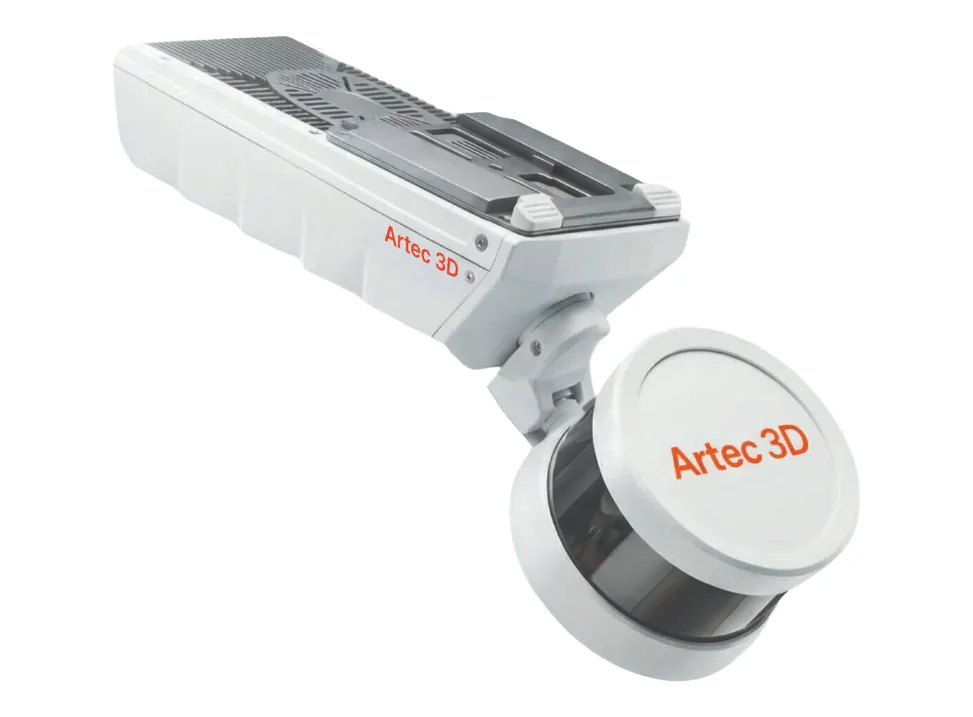
Mobile SLAM LiDAR mapping scanner
10 mmBest accuracy
A 1.57 kg mobile LiDAR mapper that works by hand, on a backpack, drone, vehicle or robot, with no GPS needed.
A camera kit and Artec Studio plugin that fixes reference points across large parts.
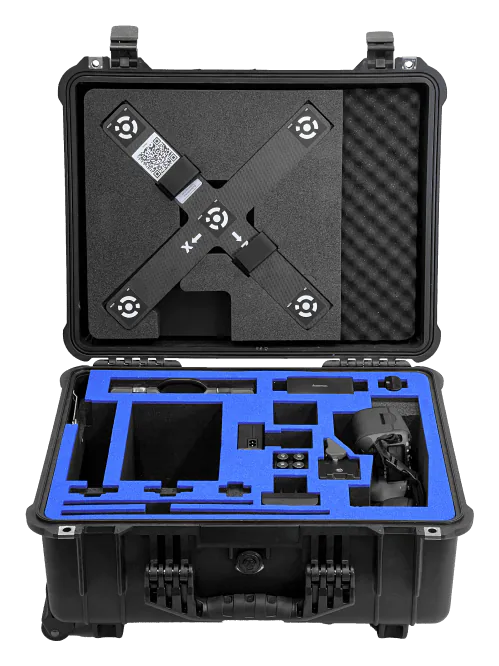
Photogrammetry measuring kit with an Artec Studio plugin
A camera-based photogrammetry kit and Artec Studio plugin that holds scanner accuracy across large parts.
Capture, processing, scan-to-CAD, inspection and photo-based modeling.
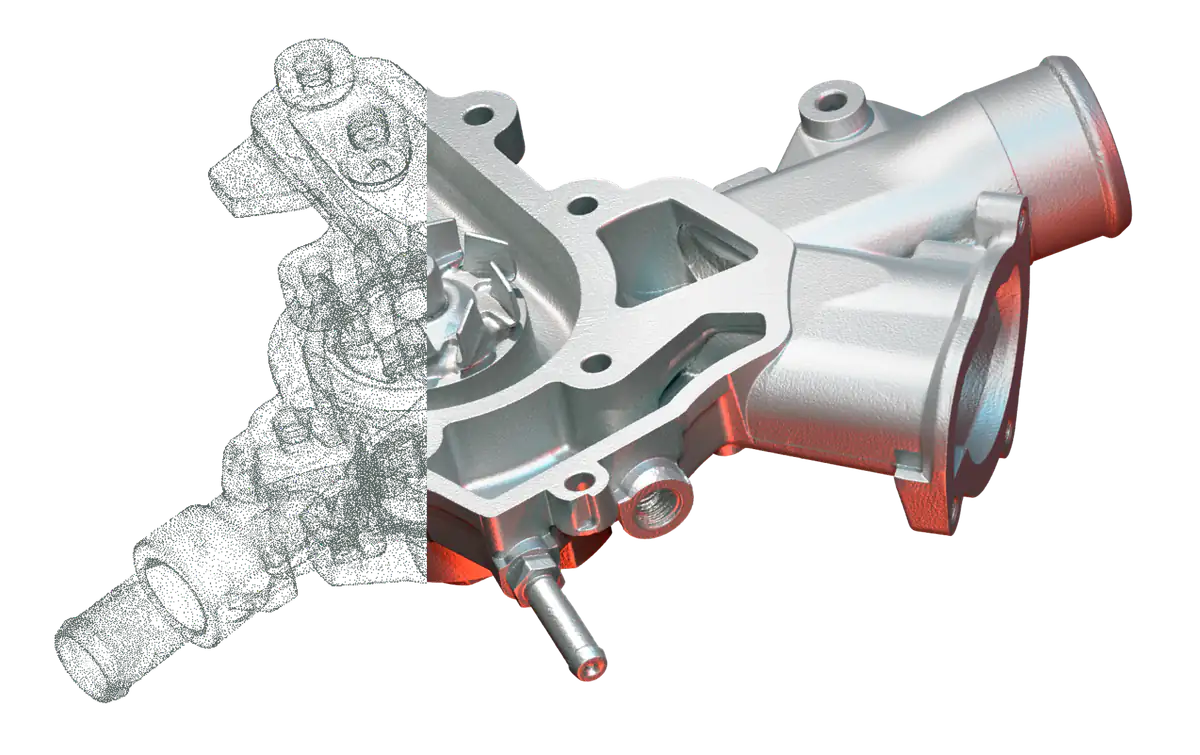
3D scan capture and processing software
The capture and processing software for current Artec scanners, with scan-to-CAD and inspection tools built in.
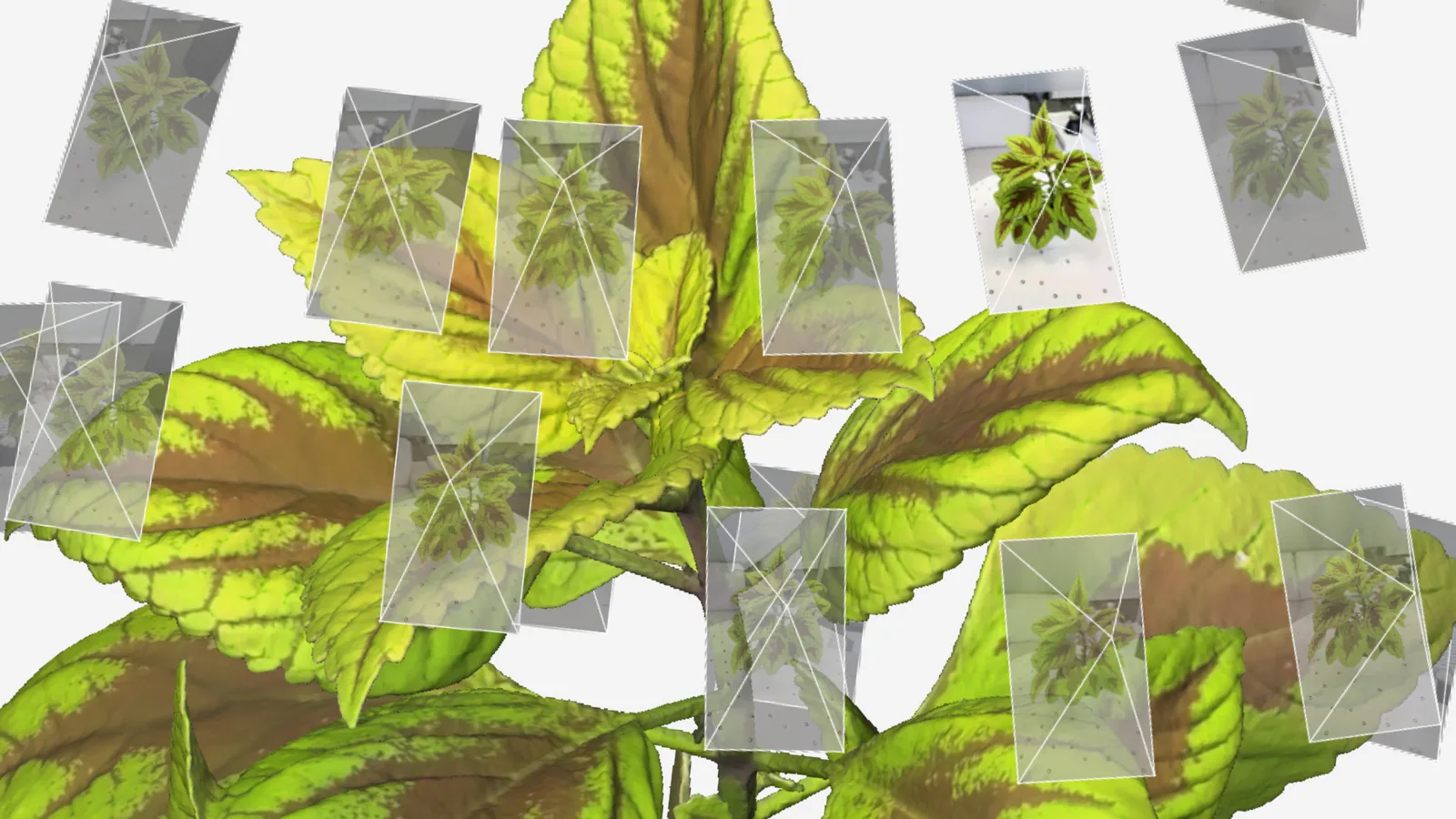
Photogrammetry software for 3D models from photos and video
Build 3D models from photos or video taken with any camera, inside Artec Studio Pro or the scan-free Lite edition.
The table puts every Artec hardware line in one place: how it captures, its best stated accuracy, the object sizes Artec recommends, whether it works without a cable and whether the object needs targets. Values come from each product's data, read on the maker's site. Open a product page for the full specifications, accuracy over distance and the maker's source link.
| Model | Best accuracy | Part size (recommended) | Targets | Wireless | Technology |
|---|---|---|---|---|---|
| Leo | 0.1 mm | 0.2–2 m | Not needed | Yes | Structured light (VCSEL) |
| Eva | 0.1 mm | 0.1–2 m | Not needed | No | White structured light |
| Spider II | 0.050 mm | 50–500 mm | Not needed | No | Blue-light structured light |
| Point II | 0.020 mm | 0.05–2 m | Required | No | Blue laser triangulation, target-based |
| Neo | 0.025 mm | 50–500 mm | Optional | Yes | Blue-light structured light with hybrid target and target-free tracking |
| Micro II | 0.005 mm | 0–200 mm | Not needed | No | Structured light (RGB LED), automated desktop |
| Ray II | 1.9 mm | Range 0.5–130 m (LiDAR) | Not needed | Yes | LiDAR, time of flight with Waveform Digitizing |
| Jet | 10 mm | Range 0.5–300 m (LiDAR) | Not needed | Yes | LiDAR with SLAM positioning |
Specs checked:
Artec suits teams that scan many kinds of objects and want guided software: product designers, reverse-engineering shops, medical and orthotics labs, heritage and forensics teams, and manufacturers that mix inspection with digitizing. It fits work where color matters, where nothing may be stuck to the surface, and where the scanner has to travel between sites. Teams with tight tolerances look at the Point II, Neo and Micro II, while plant, survey and facility teams look at the Ray II and Jet for rooms, buildings and sites.
Artec and Creaform overlap in handheld scanning but lean different ways. Artec leans toward target-free capture with color, wireless scanning and one program for scan-to-CAD. Creaform leans toward blue-laser metrology, tracked optical CMMs and accuracy on large parts. Neither brand is the right answer for every job; the choice depends on what you scan, your tolerances and your team. The pages below help you weigh them.
For small parts, the Micro II desktop scanner is rated at 5 microns (0.005 mm), with ISO 12836 certification. Among the handhelds, the Point II reaches up to 0.02 mm with targets, the Neo 0.025 mm with targets or 0.05 mm without, and the Spider II 0.05 mm. The Eva and Leo are rated at up to 0.1 mm and trade some accuracy for speed, color and reach. Check accuracy over distance too, because error grows on long parts.
Most do not. The Eva, Spider II and Leo track on the object's own geometry and color texture, and the Micro II moves the part on a stage. The Neo is hybrid: you add targets only where a tolerance must hold and scan the rest target-free. The Point II is the exception among the handhelds; it is a laser scanner that needs retroreflective targets on or around the part to reach its rated accuracy.
The Leo is fully wireless, with its own touchscreen, onboard processing and exchangeable battery, so it suits field work and large objects. The Neo connects over Wi-Fi as well as Thunderbolt and runs on batteries. For long-range work, the Ray II has integrated wireless LAN and internal batteries, and the Jet runs on battery power in handheld, backpack, vehicle or pole setups. The Eva, Spider II, Point II and Micro II connect by cable.
Artec's handheld and desktop scanners, and the Ray II, run in Artec Studio, which handles capture, processing, scan-to-CAD tools and deviation maps. AI Photogrammetry inside Artec Studio builds models from photos or video, and the Metrology Kit adds a photogrammetry plugin for large parts. The Jet is the exception: its LiDAR data is processed in Artec Twins, Artec's platform for large point clouds. Data exports to tools such as SOLIDWORKS, Geomagic and PolyWorks.
In most areas, yes. Ask for an on-site demo when you request pricing, or on its own. We bring the scanner to your facility and scan objects you choose, so you can judge detail, color and accuracy on your own work. Pick the subject that is hardest to capture today, from a part with no CAD model to a person or a room. Tell us which model you want to see and we will confirm whether we can show it at your location.
We bring the scanner to your facility and scan the objects you choose. On-site demos are available in most areas; ask when you request. You can also start with a pricing request.