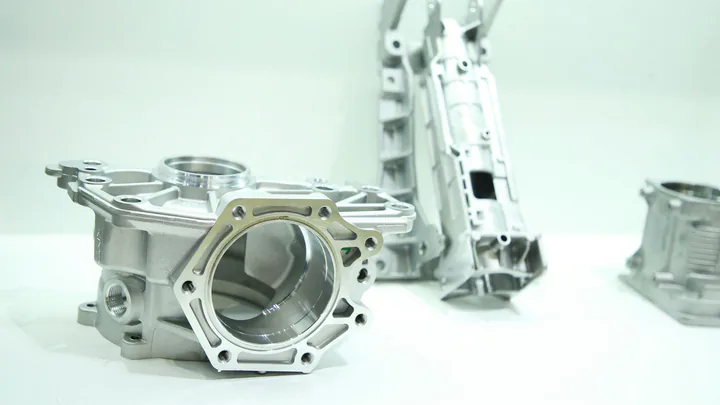
Inspection and quality
3D scanner vs CMM: how to split inspection work between them
3D scanner vs CMM for inspection: what each measures best, where a portable scanner or probe saves hours, and how to decide for your own parts.
Blog
Engineer-to-engineer guides to choosing and using industrial 3D scanners, from the specialists who scan parts like yours at on-site demos.
Inspection and quality
3D scanner vs CMM for inspection: what each measures best, where a portable scanner or probe saves hours, and how to decide for your own parts.
Measuring parts against CAD: scanners, CMMs, accuracy figures and first article reports.
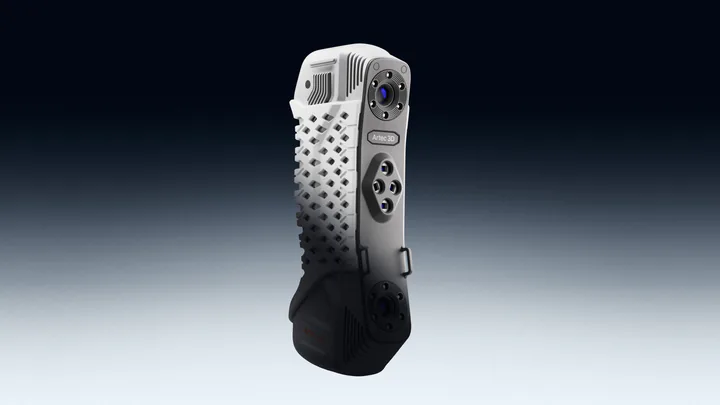
3D scanner accuracy vs resolution vs volumetric accuracy: what each spec means, how makers test it, and worked examples with real Creaform and Artec figures.
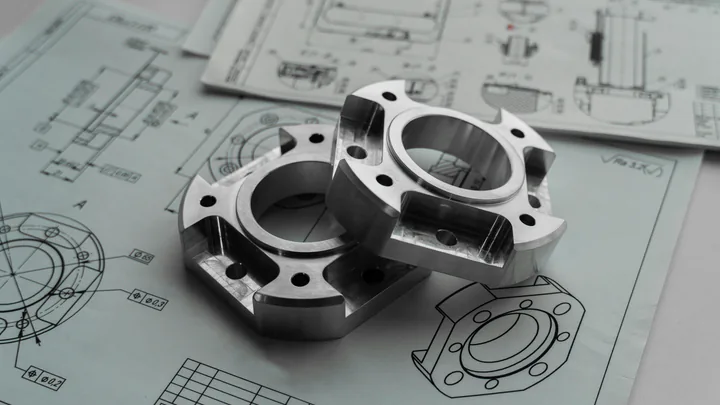
First article inspection with 3D scanning: plan the FAI, align to datums, report GD&T and color maps, and know when to add touch probing to the scan data.
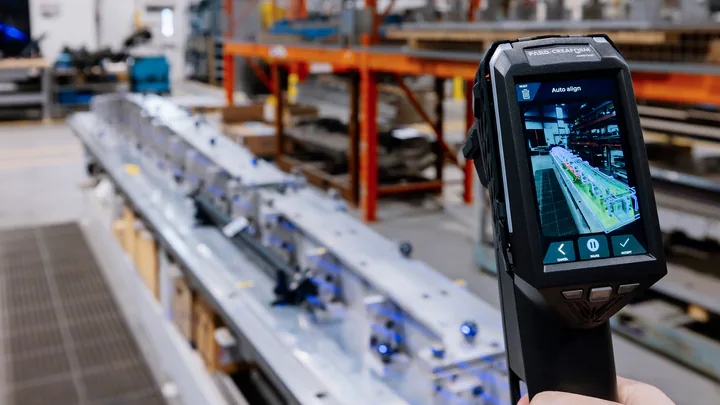
Optical CMM vs handheld 3D scanner: how targets and trackers hold position, what vibration and line of sight mean, and which Creaform or Artec setup fits.
How the scanning methods work, which surfaces they handle, and how scan data becomes CAD.
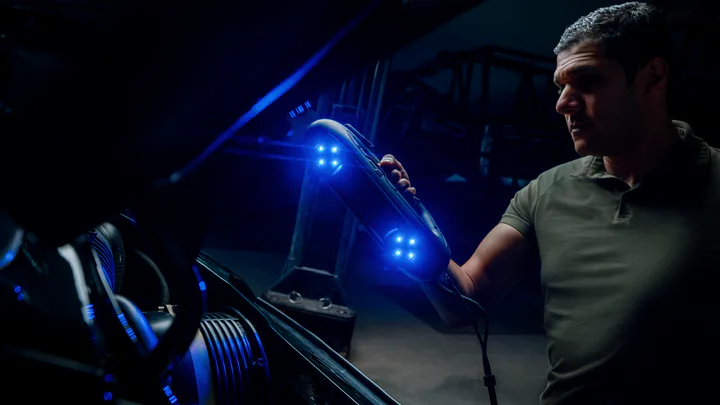
Laser vs structured light 3D scanner: how each method measures, how they handle shiny parts, color and detail, and which Creaform and Artec models use each.
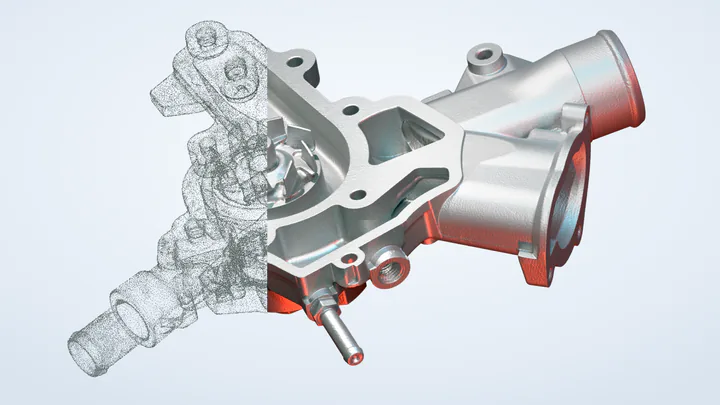
Scan to CAD step by step: from 3D scan to clean mesh to a solid STEP model, and how Creaform Scan-to-CAD and Artec Studio handle each stage of the rebuild.
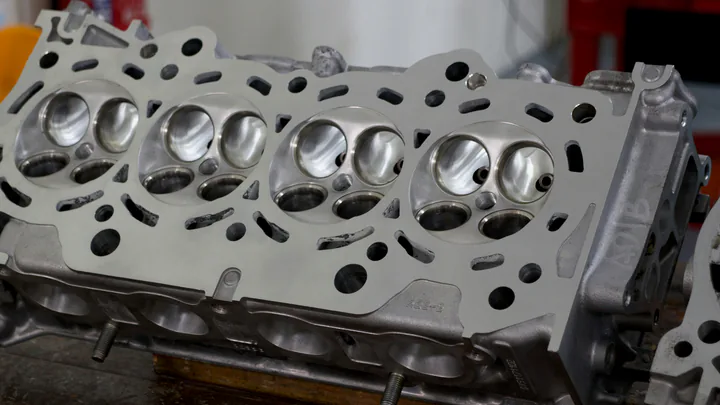
3D scanning shiny surfaces, black parts and clear plastics: why they fail, which Creaform and Artec scanners handle them, and when a removable coating helps.
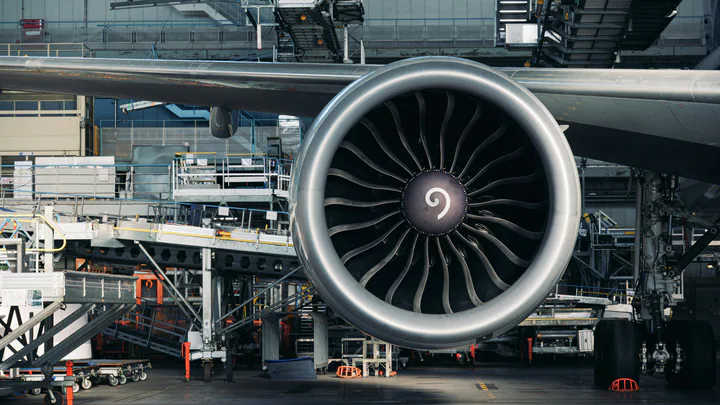
Photogrammetry for large part 3D scanning: why error grows with size, how coded targets and scale bars fix a frame, and real MaxSHOT and Artec figures.
What decides the cost of a system, and whether to own a scanner or send the work out.
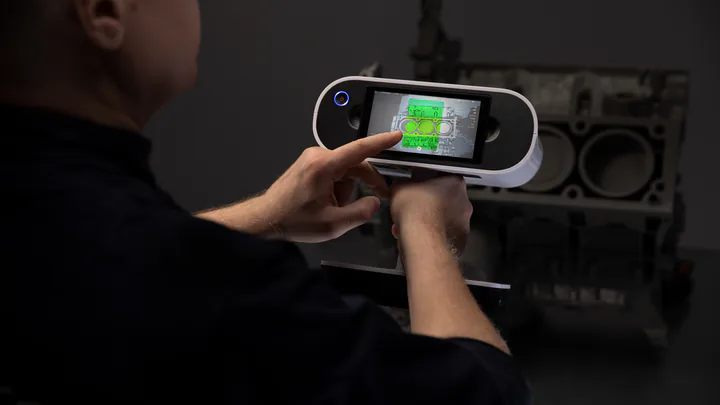
Buy vs outsource 3D scanning: the questions that decide it, from how often you measure to who owns the data, and how to test the case on your own parts.
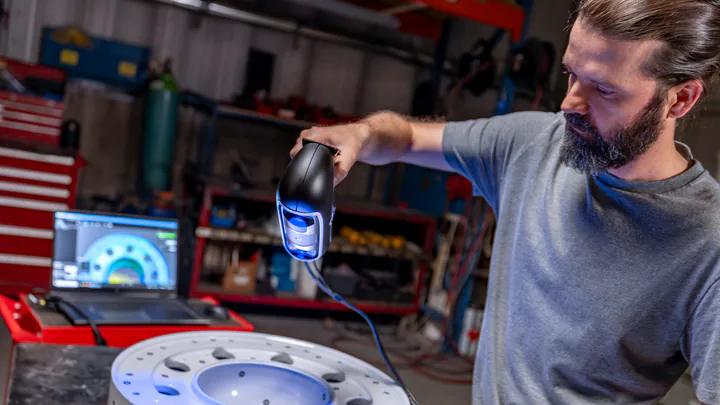
3D scanner cost explained without guesswork: the accuracy class, tracking, software, computer, training and accessories that shape a quote for your work.
One job per industry, step by step: what to scan, which scanner suits it and what happens to the data.
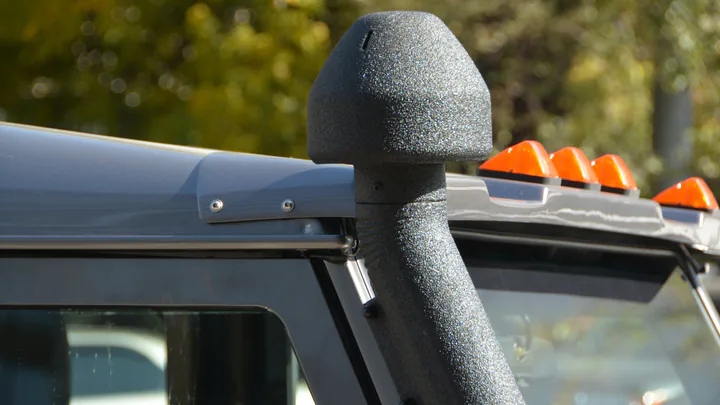
Design aftermarket parts without OEM CAD: scan the mounting area and clearances, set datums on the vehicle, design to the scan, then check the fit in software.
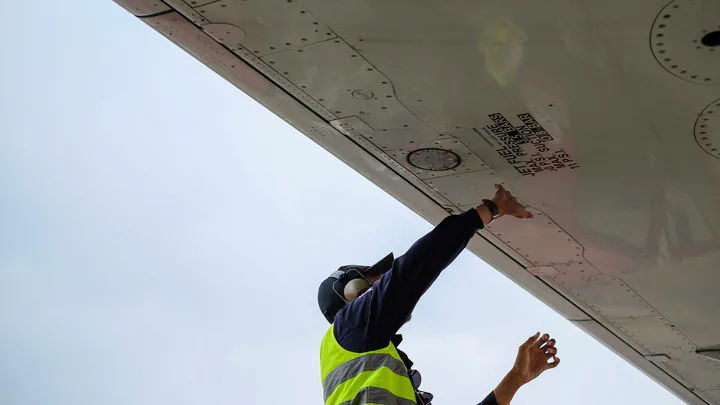
Aircraft dent mapping with a 3D scanner: how a scan becomes a panel-by-panel report of dent depth, size and position, and what stays with your repair data.
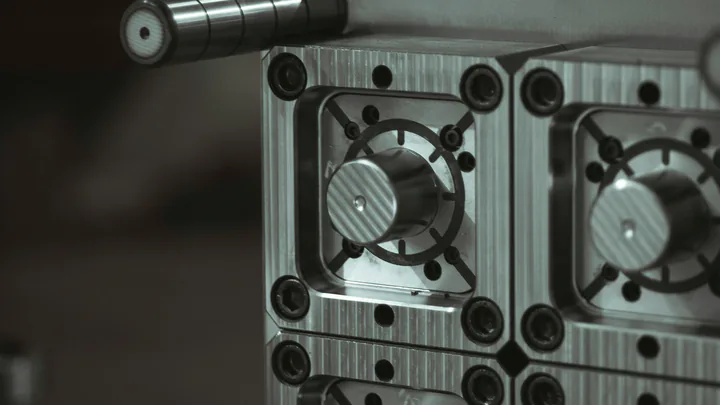
3D scanning for mold repair: scan the worn tool, map wear against CAD, weld or machine only where needed, then rescan to confirm the repair and track wear.
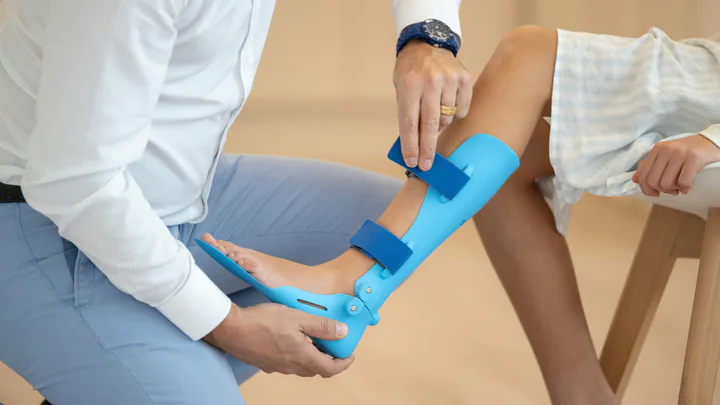
3D scanning vs plaster casting for orthotics and prosthetics: what a study measured, where casting still helps, and what a scan changes for an O&P practice.

Clay model to CAD: scan a sculpted model without stopping the modelers, surface it, compare it with the digital design, and know when a color mesh is enough.
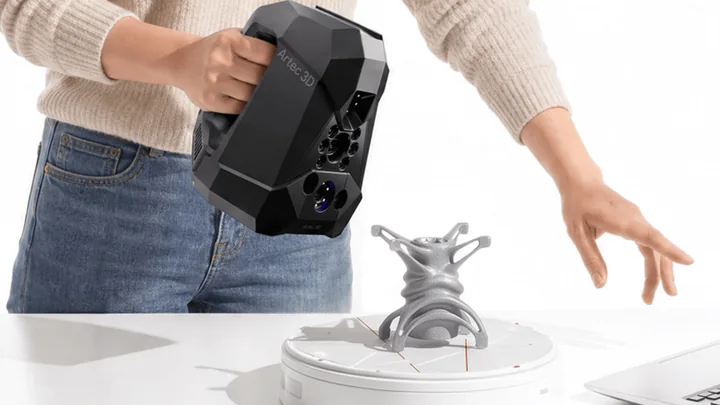
Reverse engineering a pump impeller from a 3D scan: capture blades and passages, choose a worn copy or a rebuilt design, then cast, machine or print it.
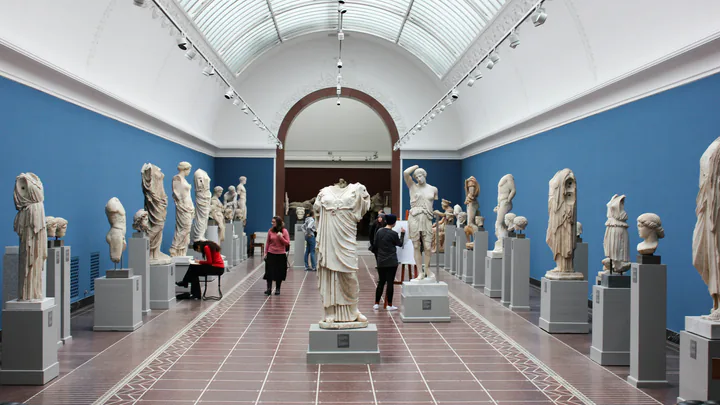
3D scanning museum artifacts without contact or markers: the handling plan, which scanner suits which object, gilding and glass, color and what to archive.
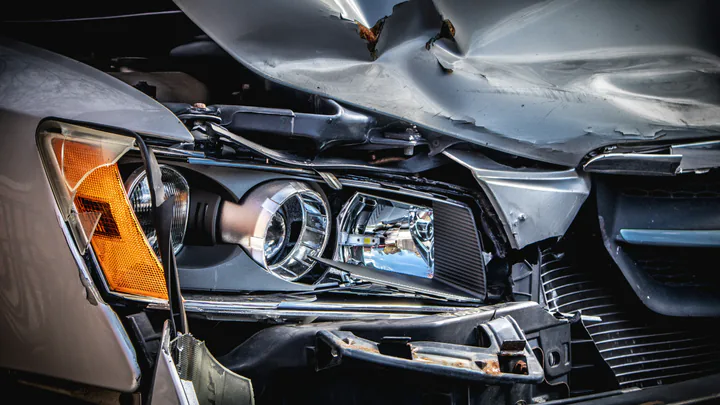
Vehicle crush measurement with a 3D scanner: scan the damaged vehicle and an exemplar, align undamaged areas, and read the crush profile your method needs.
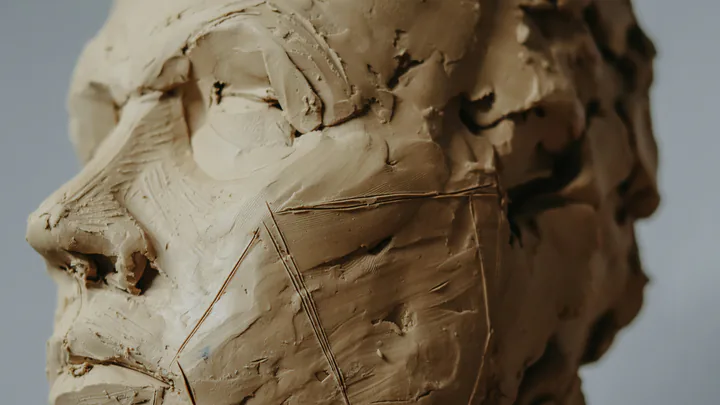
3D scanning vs lifecasting for prosthetic makeup: what each captures, how long the actor sits, what happens after capture, and when a cast still makes sense.
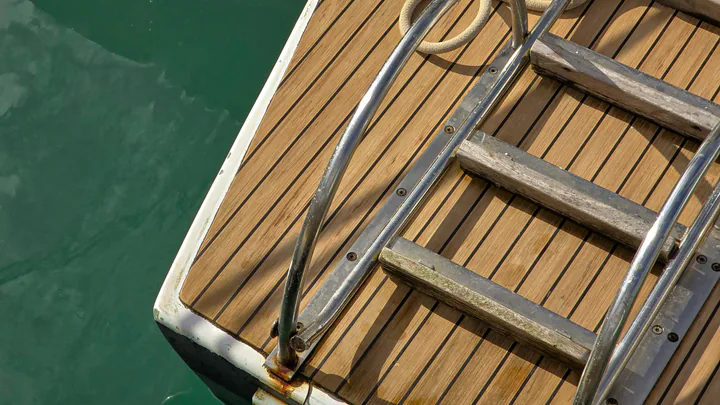
Boat templating with a 3D scanner: how a scan replaces mylar for decking, canvas and upholstery, how to scan a deck outdoors, and how a scan becomes a pattern.
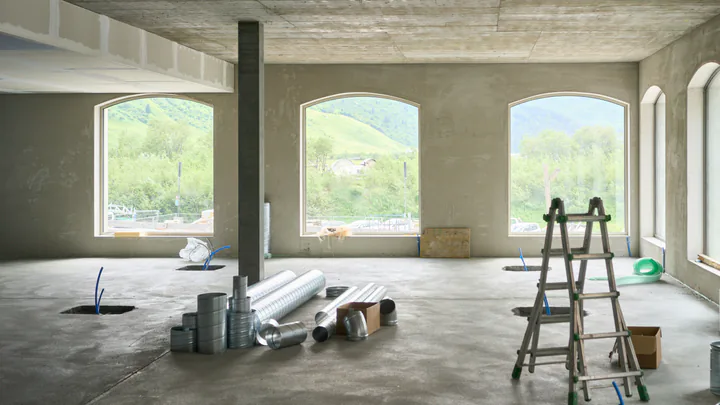
Scan to BIM from the capture side: set the level of development first, choose tripod or mobile LiDAR, hand over E57 or LAS, and add handheld scans for detail.
New articles by RSS: subscribe to the blog feed.
Our specialists bring a scanner to your facility and scan the part you choose, so you see the answer on your own work. On-site demos are available in most areas; ask when you request one.