Skip to content
(816) 608-7745Get pricingBook a demo

All 3D scanners

3D scanners from Creaform and Artec

Every Creaform and Artec scanner we sell, on one page and grouped by how it measures: in your hand, followed by a tracker, on a robot or a desk, or across a whole site. Open a model for its full specs, or book an on-site demo on your own work.

Key takeaways

  • Every Creaform and Artec scanner we sell sits on this one page, grouped by how it measures.
  • Handheld scanners cover most jobs, and both brands make metrology-grade blue-laser models for tight tolerances.
  • Optical CMMs and automated scanners suit repeat inspection on the shop floor and the production line.
  • Photogrammetry and long-range LiDAR cover large structures, plants and buildings.
  • Each card shows a headline spec from the maker's published data, and every model page lists the full specifications.

Which type of 3D scanner do you need?

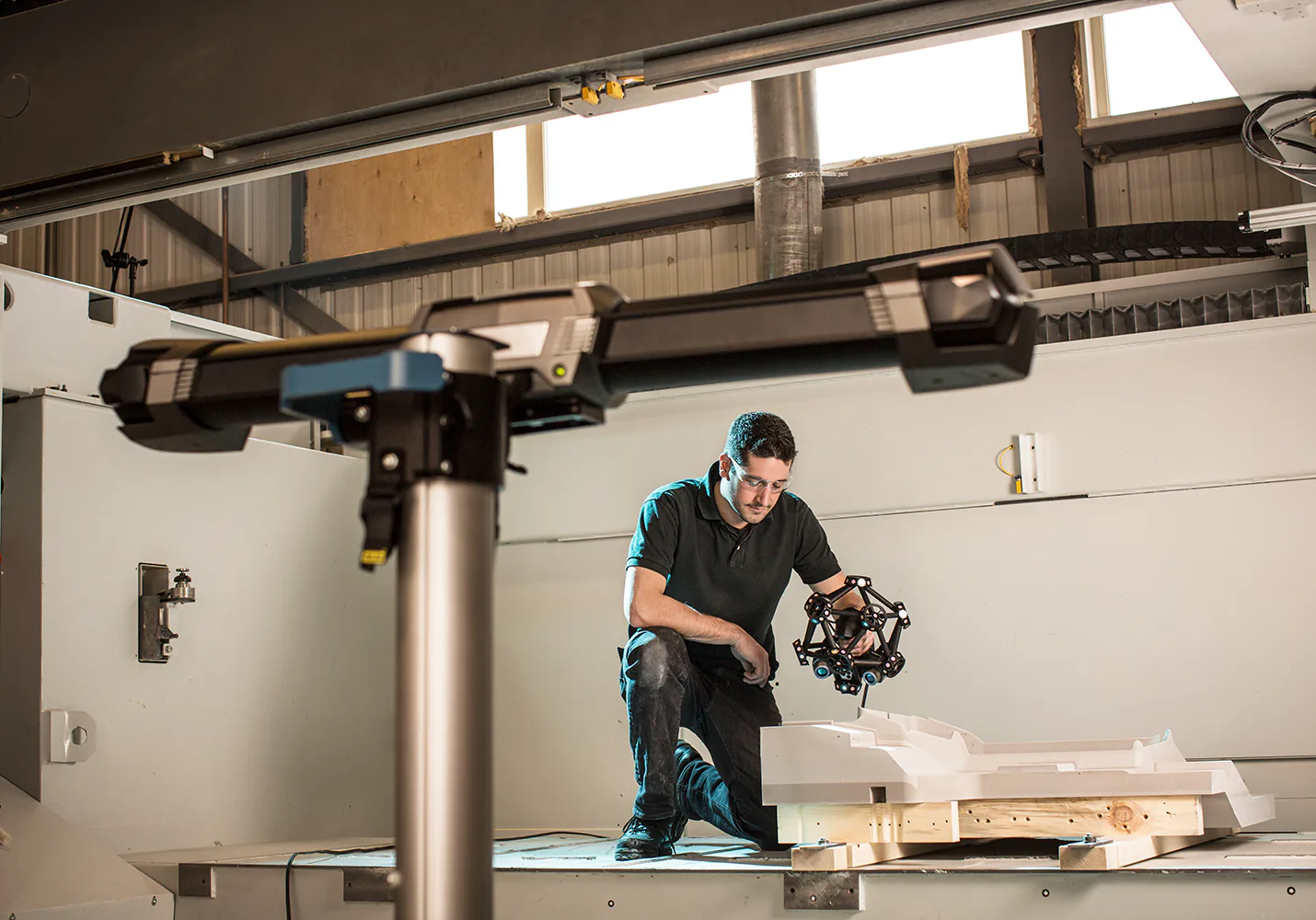
Start with what you need to scan and how accurate the result must be. A handheld scanner suits most jobs, from a small casting to a whole vehicle, and the blue-laser models are built for shiny and dark surfaces. An optical CMM, the MetraSCAN or HandyPROBE, holds its accuracy on a shop floor with vibration because a separate tracker follows the scanner and the part. Automated scanners run the same scan the same way every time: the R-Series on a robot, the Micro II on a desk. For large structures, plants and buildings, a photogrammetry camera or a LiDAR scanner covers the distance. We sell both brands, so the groups below put Creaform and Artec side by side wherever both make that type.

Every scanner, by type

Creaform handheld 3D scanners

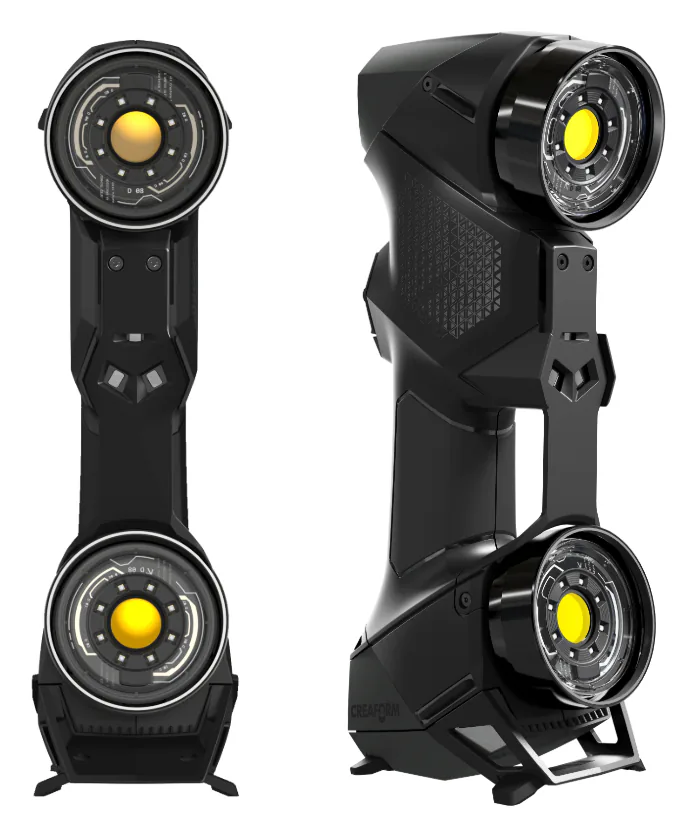
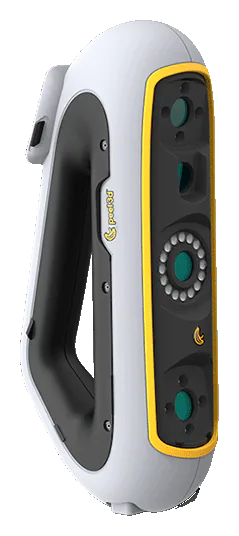
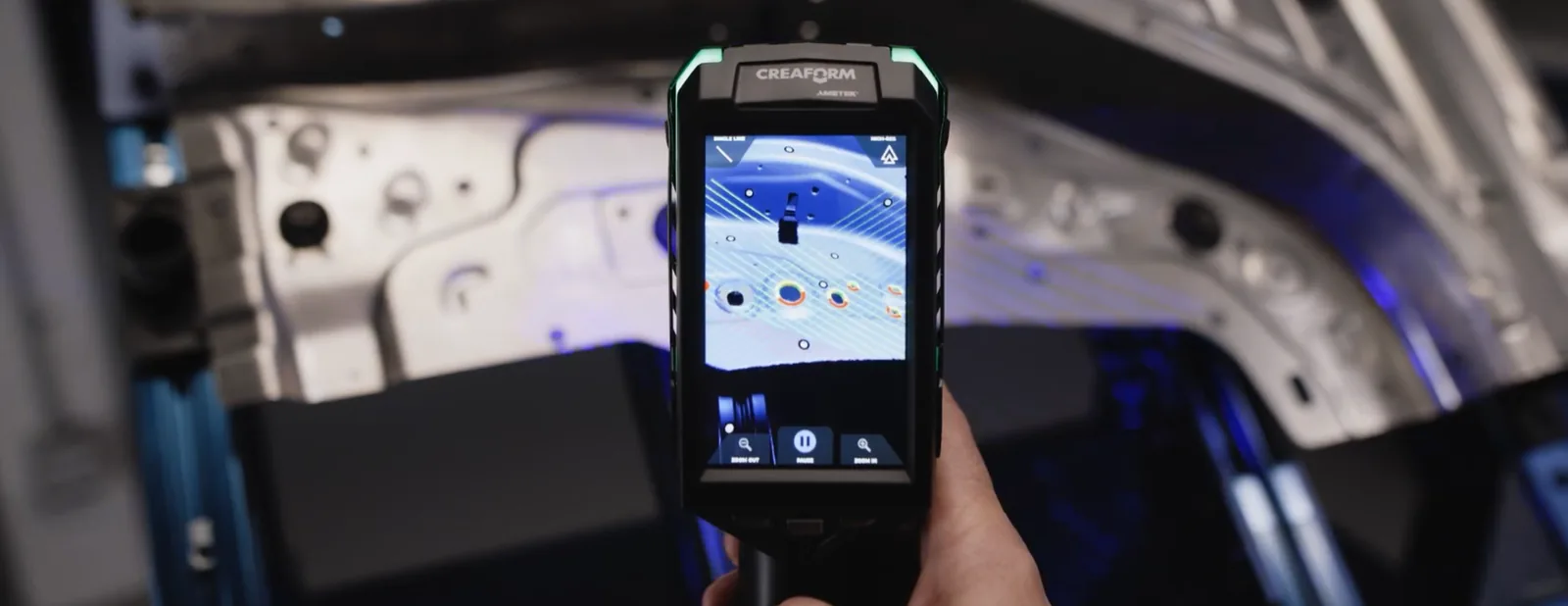
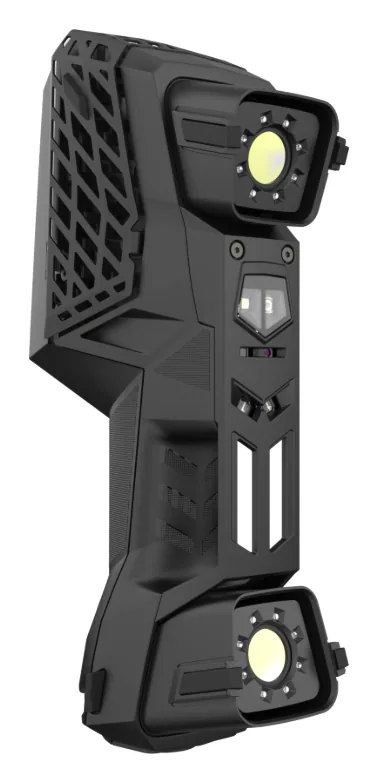
Blue-laser HandySCAN models for inspection, reverse engineering and large parts, plus the white-light Go!SCAN SPARK and peel 3, which capture color.

Artec handheld 3D scanners

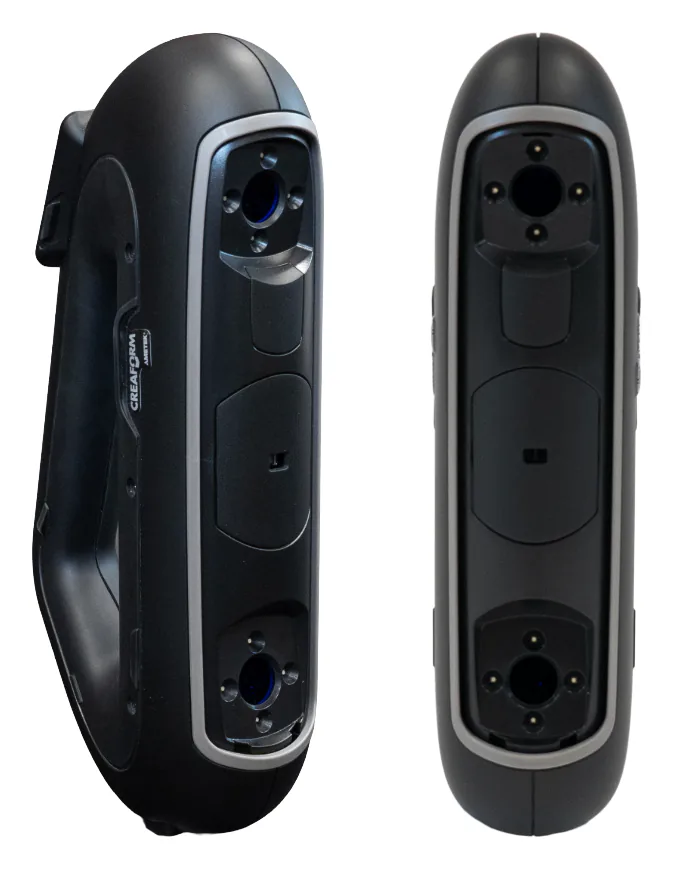
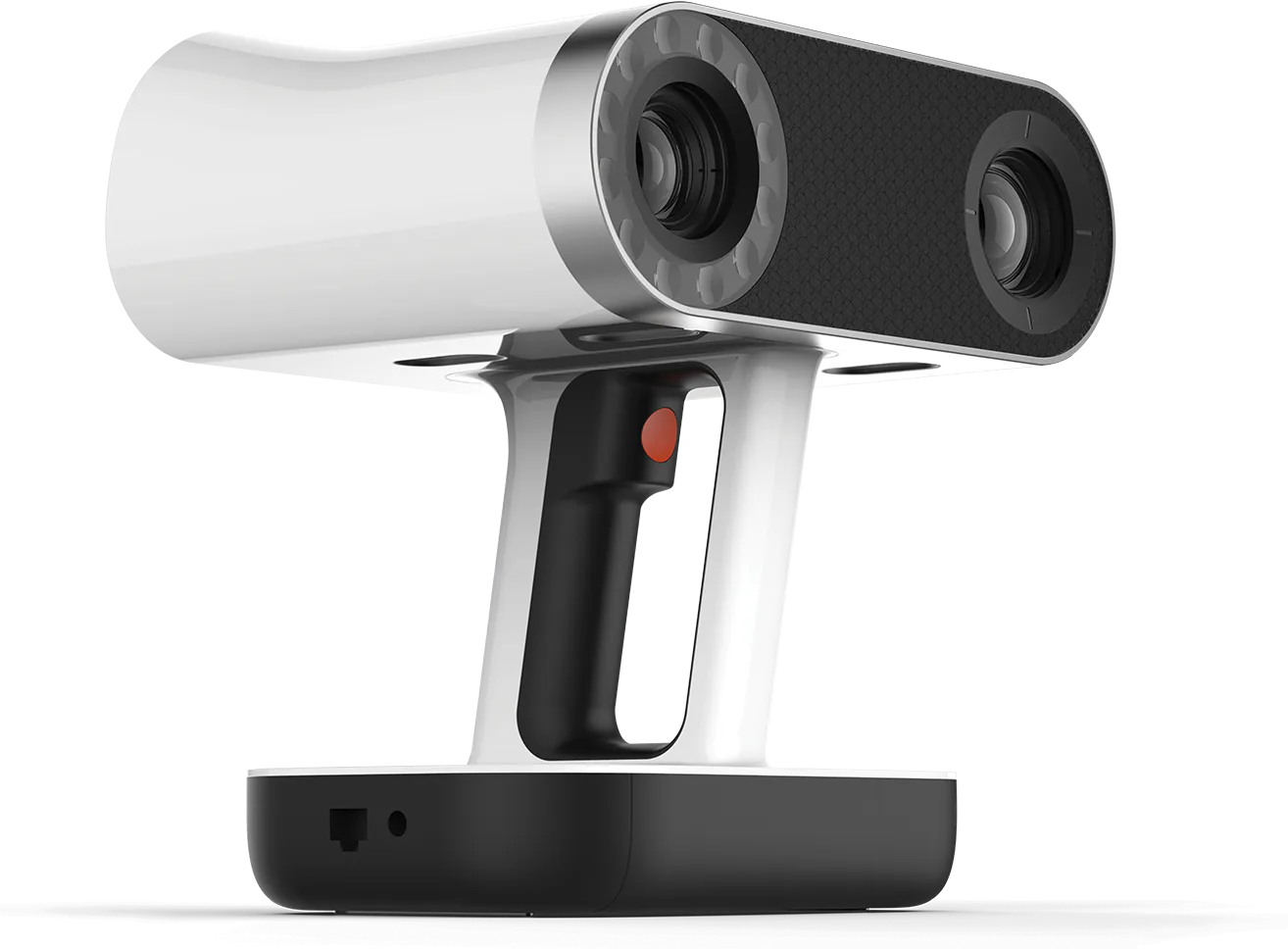
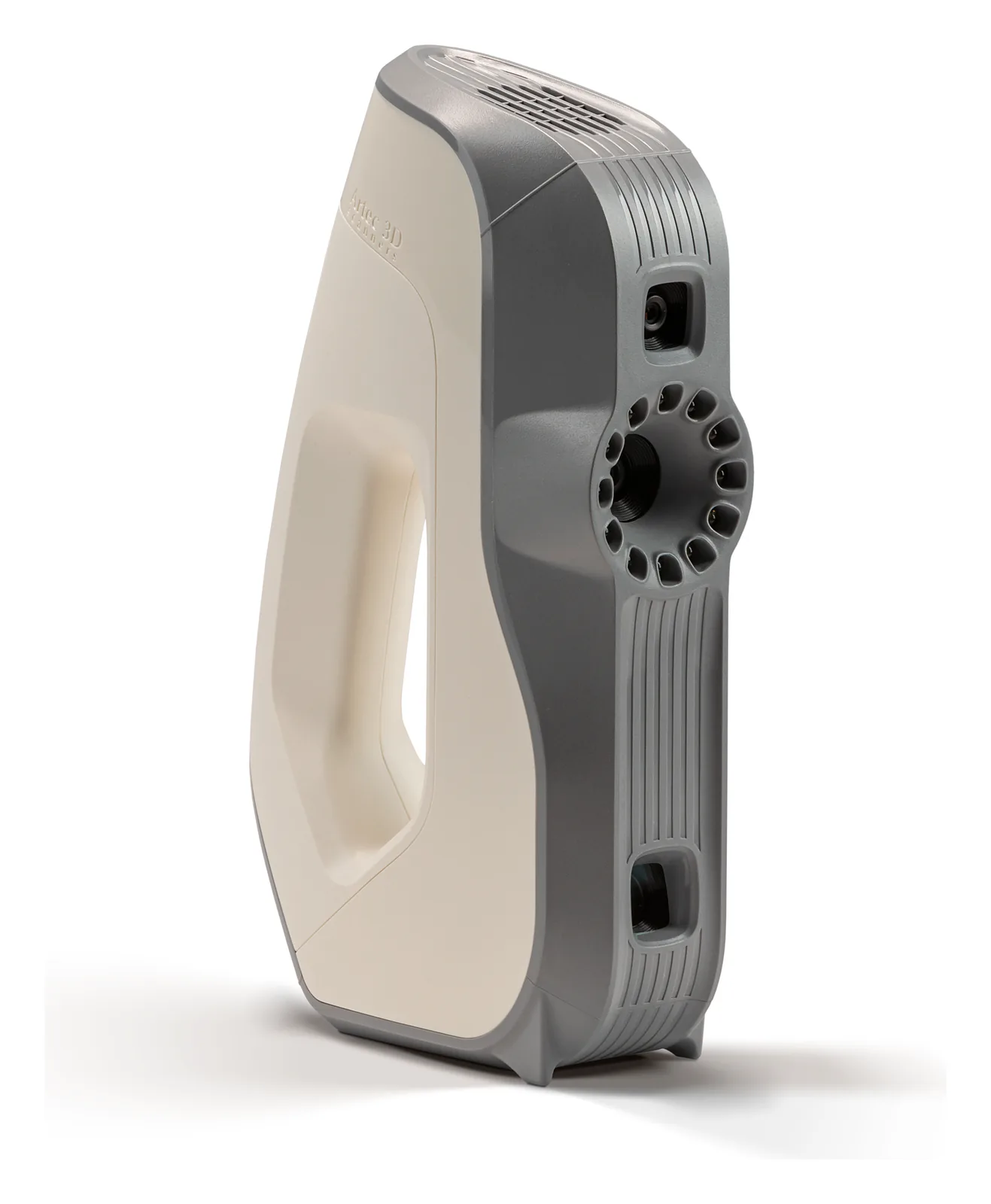
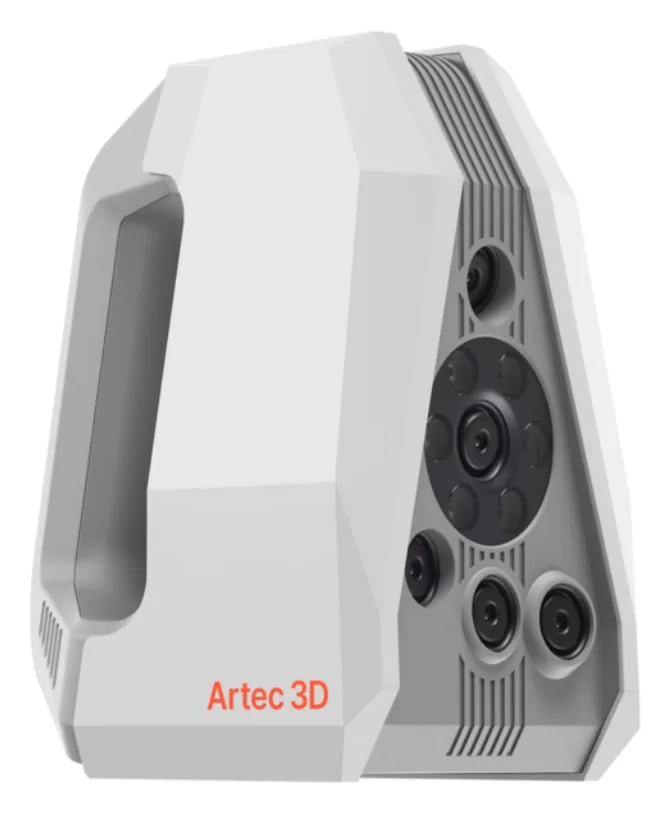
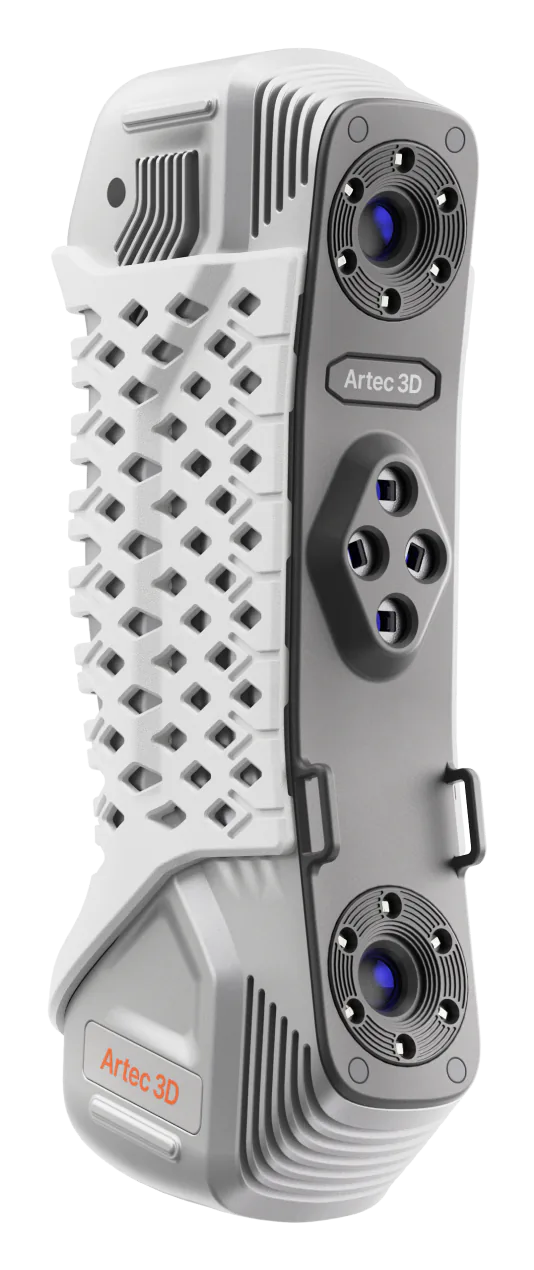
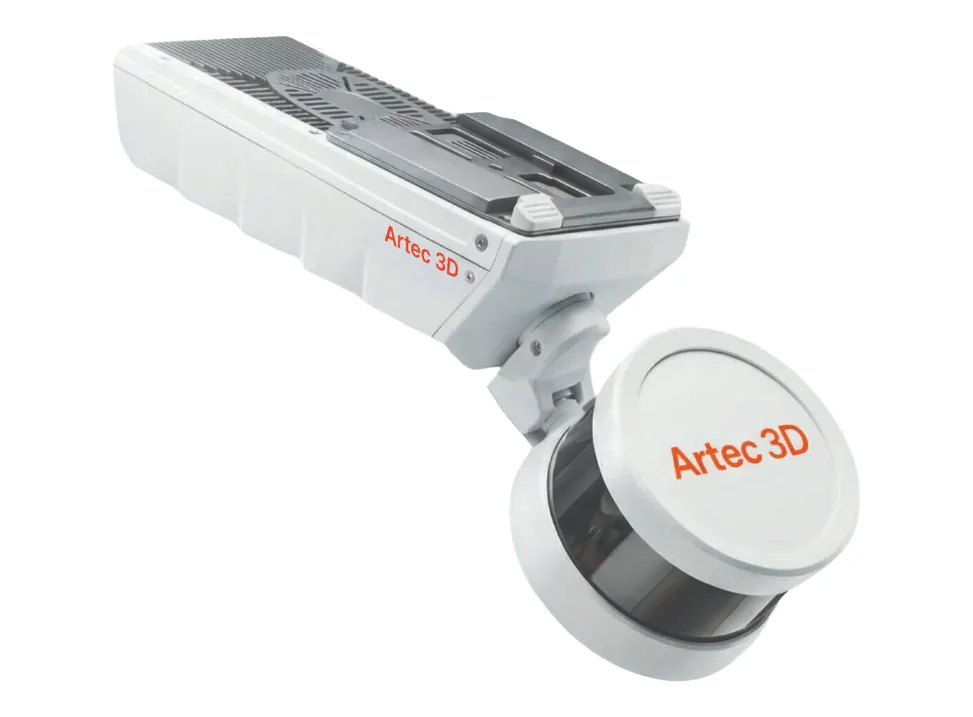
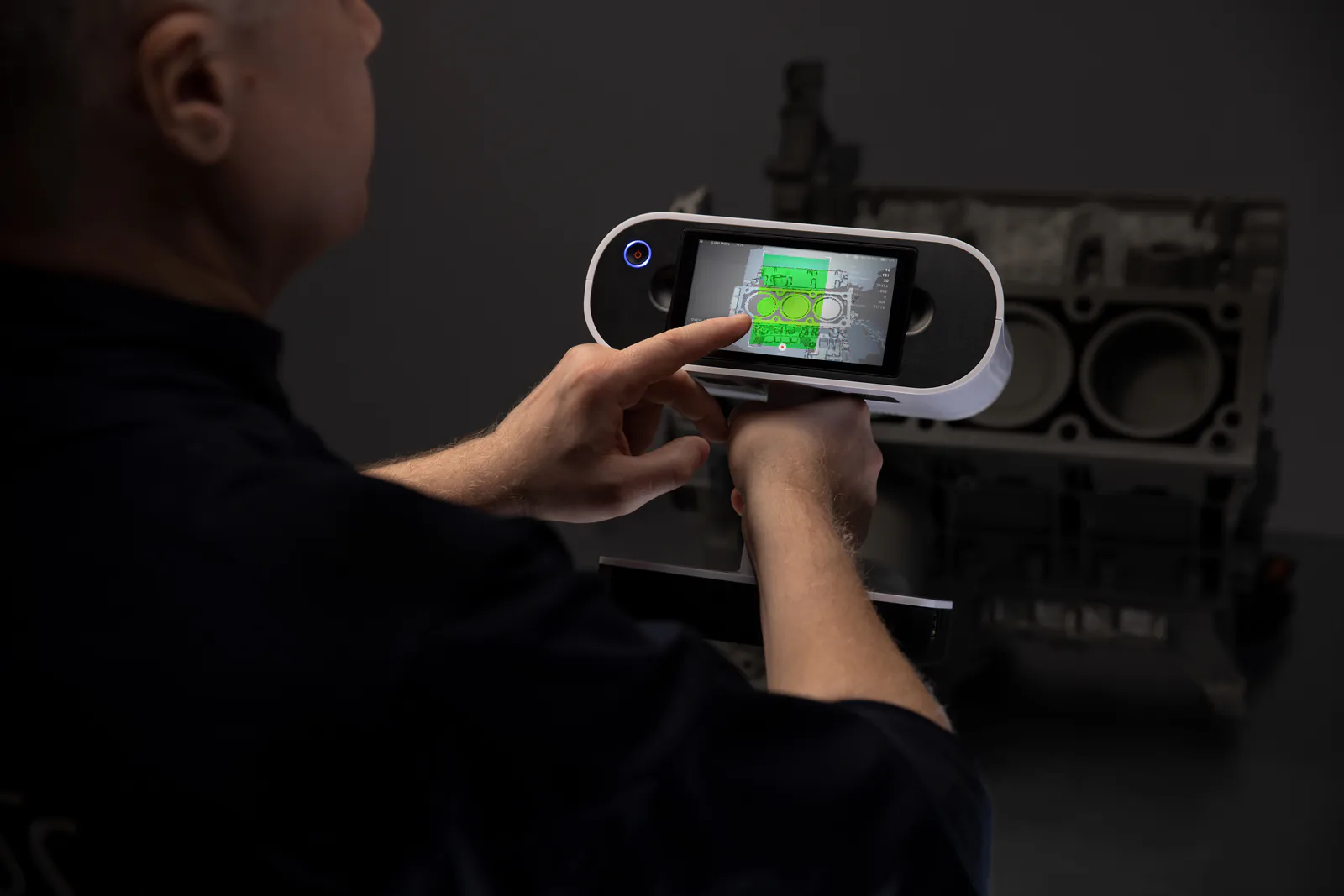
Structured-light scanners that capture color without targets, the Leo, Eva and Spider II, plus the blue-laser Point II and the hybrid Neo for metrology work.

Optical CMMs and portable probes

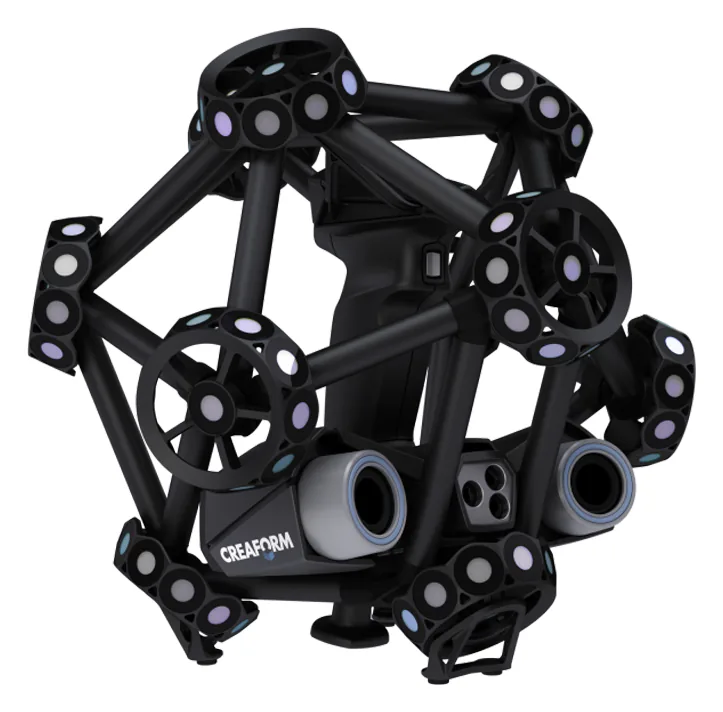
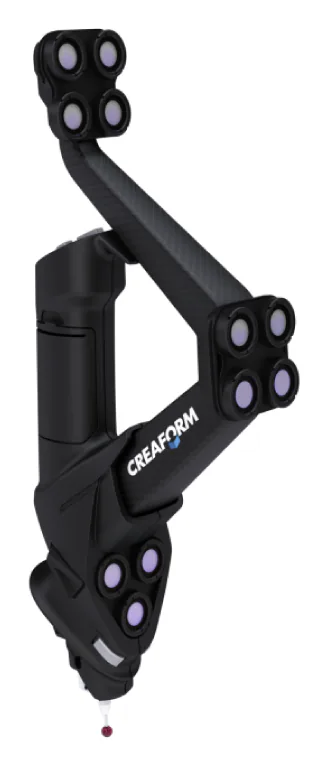
Creaform's MetraSCAN and HandyPROBE, followed by the C-Track optical tracker, for accuracy that holds on the shop floor.

Automated 3D scanners

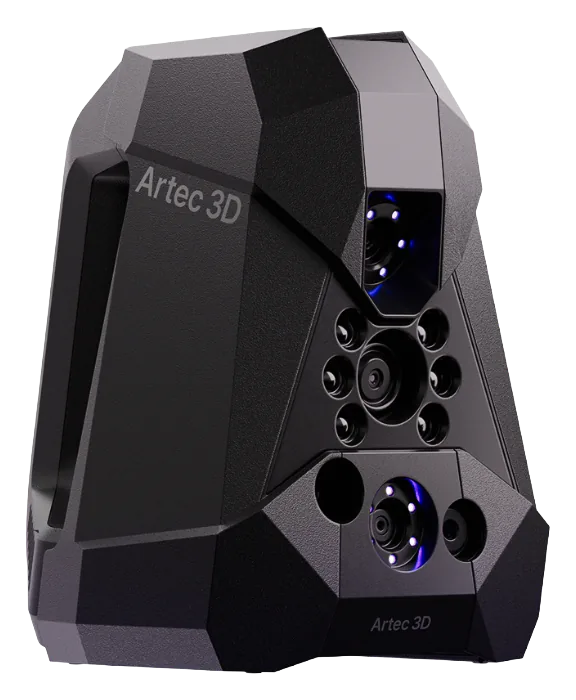
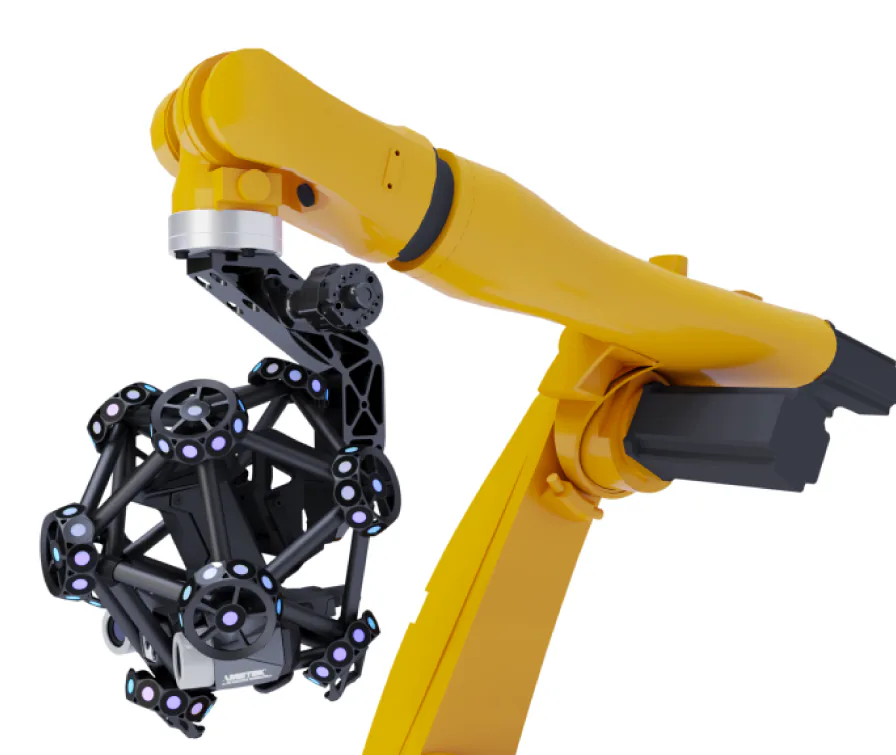
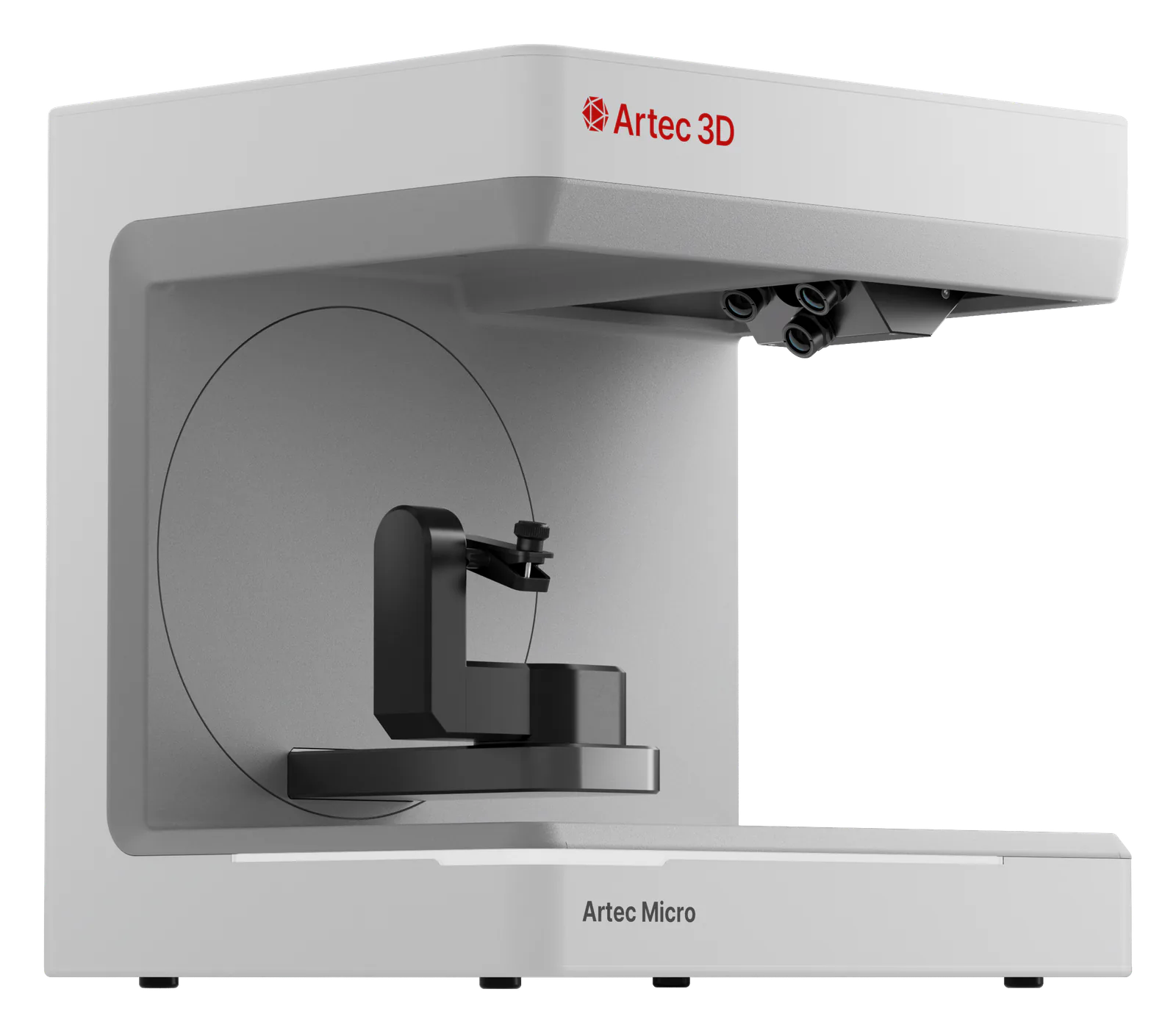
The same scan, run the same way every time: Creaform's R-Series on a robot and Artec's Micro II on a desk.

Photogrammetry and long-range LiDAR

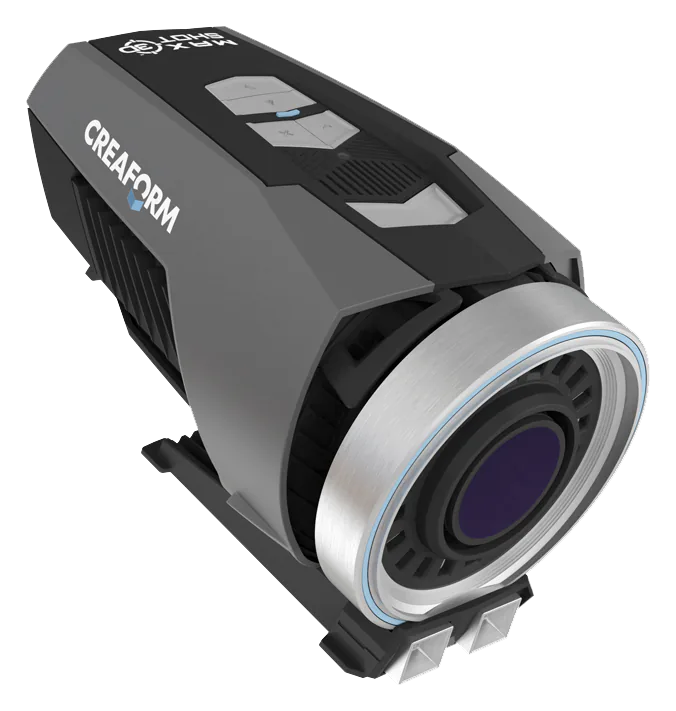
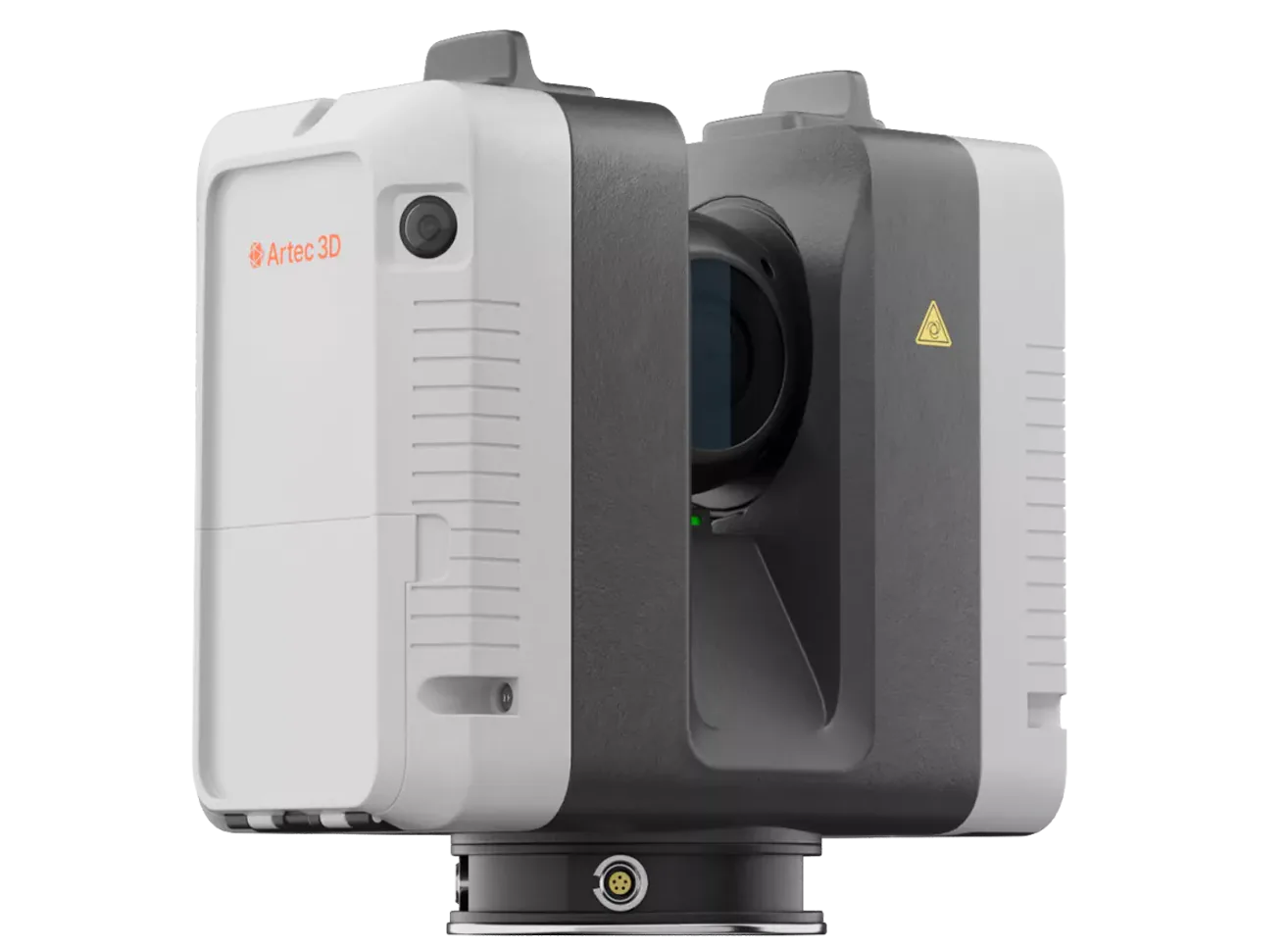
For large structures, plants and buildings: Creaform's MaxSHOT NEXT camera and Artec's Ray II and Jet LiDAR scanners.

What do buyers ask when they compare scanner types?

What is the difference between a handheld scanner and an optical CMM?

A handheld scanner works out its own position from targets or from the surface it sees, so it goes wherever you can carry it. An optical CMM, such as Creaform's MetraSCAN or HandyPROBE, is followed by a separate optical tracker, the C-Track, which also watches the part. That keeps the accuracy steady on a shop floor with vibration or when the part moves, and the HandyPROBE adds touch probing for features a scanner cannot reach.

Do I need a metrology-grade scanner?

Only when the result must pass a tolerance check. Inspection against CAD, first-article reports and close-fit reverse engineering need a scanner rated for metrology accuracy, usually a blue-laser handheld or an optical CMM. Design work, color capture, scanning people and visual records rarely need it, and a fast structured-light scanner such as the Artec Leo or Eva is often the better choice. Tell us your tolerance and we will suggest the models that fit.

Can I see more than one scanner before I decide?

Yes. When you request a demo, name the scanners you are weighing and tell us what you need to scan. One of our specialists replies about which models we can bring, and on-site demos on your own work are available in most areas; ask when you request. You can also put two models side by side on our comparison pages first.

See the right type of scanner on your own work

Tell us what you need to scan, whether that is a part, a vehicle, a person or a whole site, and which scanners you are weighing. We bring the scanner to you and scan it. On-site demos are available in most areas; ask when you request.

Call (816) 608-7745