Industry guides
How to measure vehicle crush with a 3D scanner and an exemplar
Vehicle crush measurement with a 3D scanner: scan the damaged vehicle and an exemplar, align undamaged areas, and read the crush profile your method needs.
Key takeaways
- A 3D scan records the whole damaged surface, so crush can be measured at any station afterward instead of only at the points taped at the yard.
- Crush is read by comparing the damaged vehicle with an undamaged reference: an exemplar scan or an accurate model of the same make, model and body style.
- Align the two only on structure the impact did not reach, or the comparison inherits the damage it is meant to measure.
- A wireless handheld such as the Artec Leo suits a vehicle in a crowded yard; a tripod LiDAR such as the Ray II adds the scene around it.
- The scanner supplies the measurement; the energy method, its stiffness data and the conclusions stay with the reconstructionist.
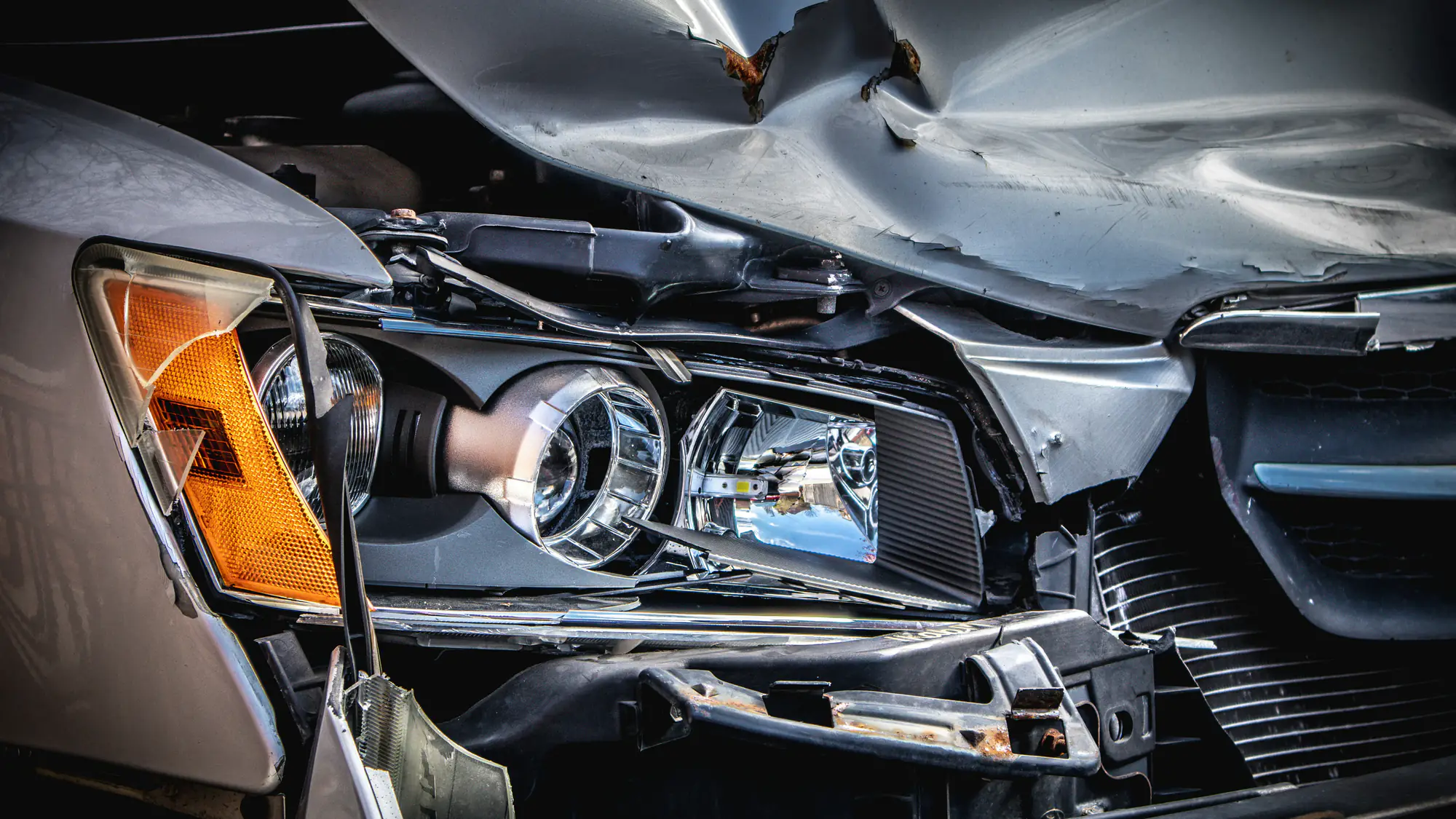
Crush is the measurement a reconstruction cannot guess. How far the front, side or rear of a vehicle was pushed in, and where, feeds the energy and speed estimates that follow, and it has to be recorded before the vehicle is repaired, released or scrapped. Our forensics and public safety page covers scenes, evidence and vehicles together; this guide is about measuring the vehicle.
We sell Artec 3D scanners for this work and bring them to yards and agencies for on-site demos. Here is the scan-based method from start to finish: capture the damaged vehicle, bring in an undamaged reference, align the two on structure the impact did not reach, and read crush wherever the analysis needs it. The calculation stays with the reconstructionist, and nothing below is a claim about how a court will treat scan data.
In this article
What is vehicle crush, and how is it usually measured?
Crush is the residual deformation of a vehicle: how far a point on the damaged surface now sits from where the same point sat before the collision. Reconstructionists record it as a profile across the width of the damage, at a set height such as the bumper or the sill, against the vehicle's undamaged shape, and that profile feeds an energy method such as CRASH3. By hand, the profile comes from a reference line, a tape and a rod at each station. With a scanner, it comes from a full 3D surface compared with an undamaged reference.
How many stations to read is a judgment call. A paper by researchers at Brno University of Technology notes that six equally spaced measuring points are common in forensic practice with CRASH3. Its statistical analysis found that unequal spacing, placed where the profile actually changes, does not significantly change the resulting energy value, and it warns that strict equal spacing on an irregular profile can miss the deepest point. A scan lets you choose the stations after the fact, once the whole profile is visible.
Five ways to record crush, compared
| Method | What it records | Stations added later? | Best use |
|---|---|---|---|
| Tape, rod and reference line | The depth at the stations measured on the day | No | Quick checks when nothing else is at hand |
| Total station | Surveyed points chosen on site | Only points shot on site | Scene evidence and reference points |
| Photogrammetry | A surface rebuilt from overlapping photos | Yes, where the photos cover the damage | Vehicles already repaired or released, if good photos exist |
| Handheld 3D scanner | A dense color mesh of the whole vehicle, inside and out | Yes | The vehicle itself, up close |
| Tripod LiDAR | Point clouds of the vehicle and the scene around it | Yes | Rest positions, road geometry and context |
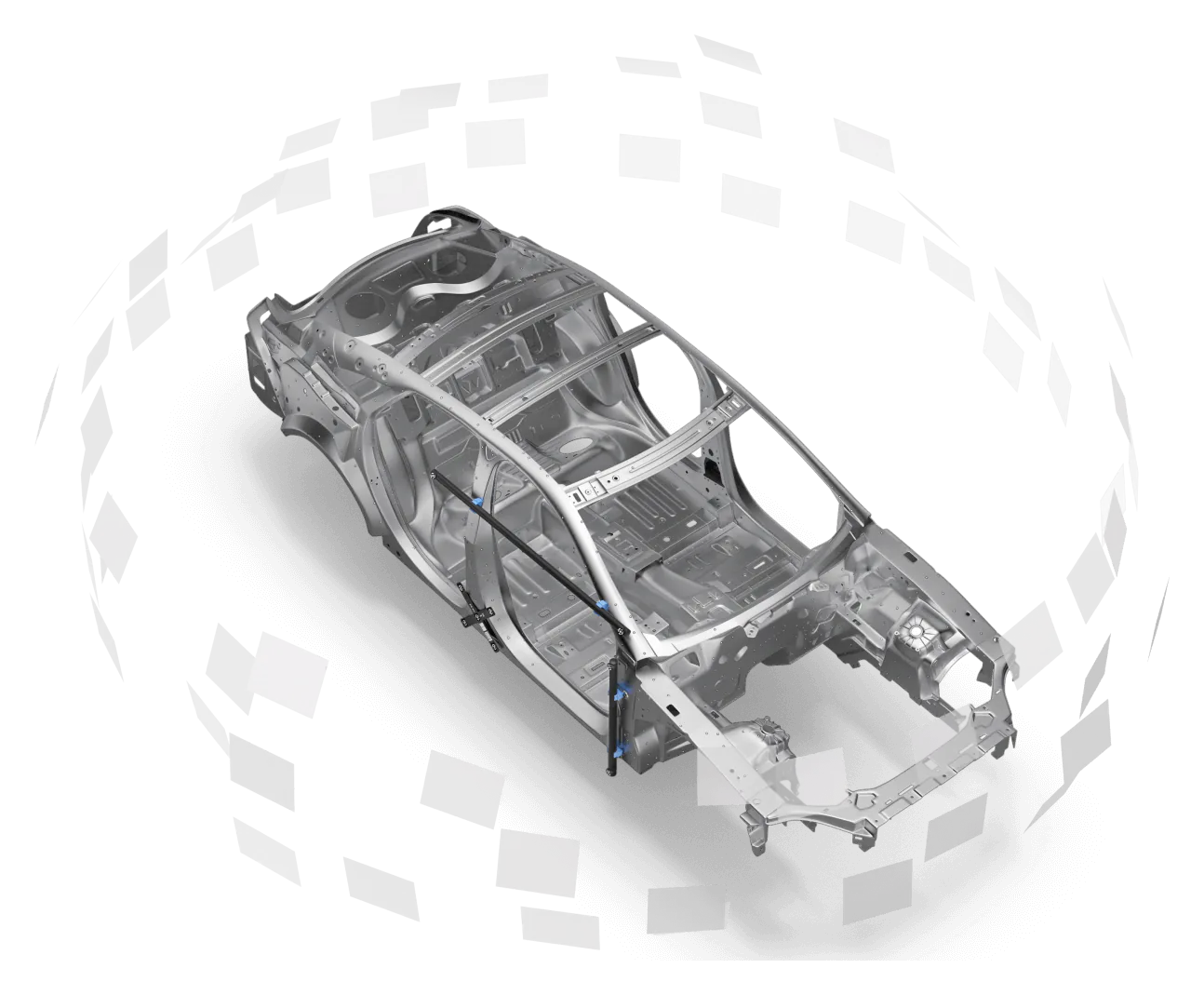
A scan does not replace the reconstructionist's judgment on day one; it removes the need to decide every station on the day. If a question about a stiffness zone, an underride or an offset comes up months later, the surface is still there to measure.
Step by step: from the yard to a crush profile
- Record the vehicle as found, with photographs, the VIN and where it is stored, before anything is moved.
- Scan the whole exterior first, then go back over the crush zone slowly and close, including the wheel wells and any underside you can reach.
- Scan the interior too if occupant intrusion or restraint use matters to the case.
- Check coverage on the scanner's screen before you leave, and rescan any thin area while the vehicle is still in front of you.
- Get the reference: scan an undamaged exemplar of the same make, model, body style and year range, or source an accurate 3D model of one.
- In Artec Studio, register and clean the scans, removing loose glass, gravel and debris, then align the damaged vehicle to the reference on undamaged structure only.
- Read crush with a surface distance map and with sections cut at the heights your method uses, then export the profile, the sections and the color model.
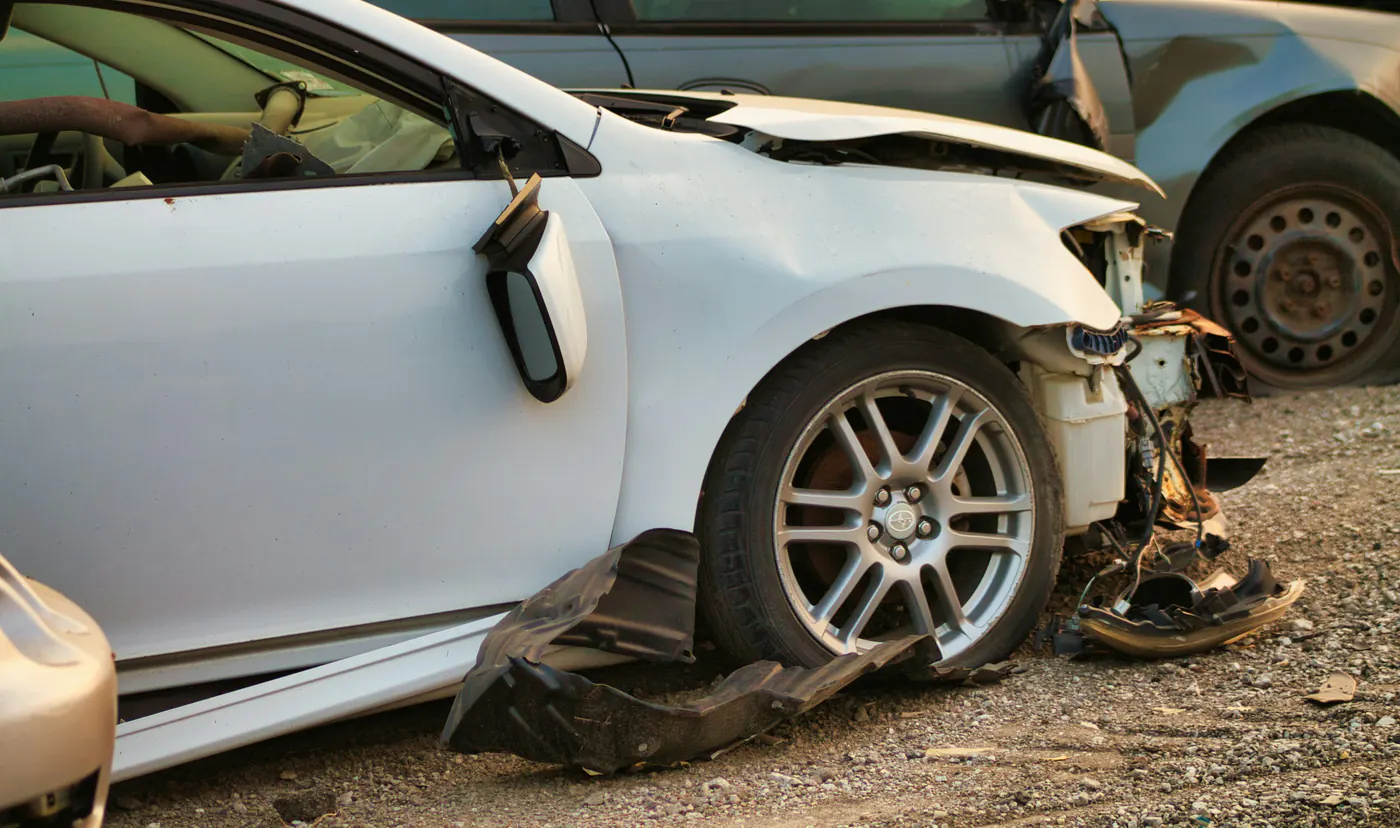
Artec documents this workflow at Origin Forensics, a reconstruction firm whose team scanned a wrecked Dodge Charger with the Leo at a parts yard in Spokane Valley, Washington. The firm aligns the undamaged portions of a scanned vehicle with a model or scan of a similar undamaged vehicle to determine the extent of crush. It reports that a vehicle scan now takes less than an hour, where its earlier tripod laser scanner needed three to four hours and repeated repositioning.
Which scanner suits a damaged vehicle?
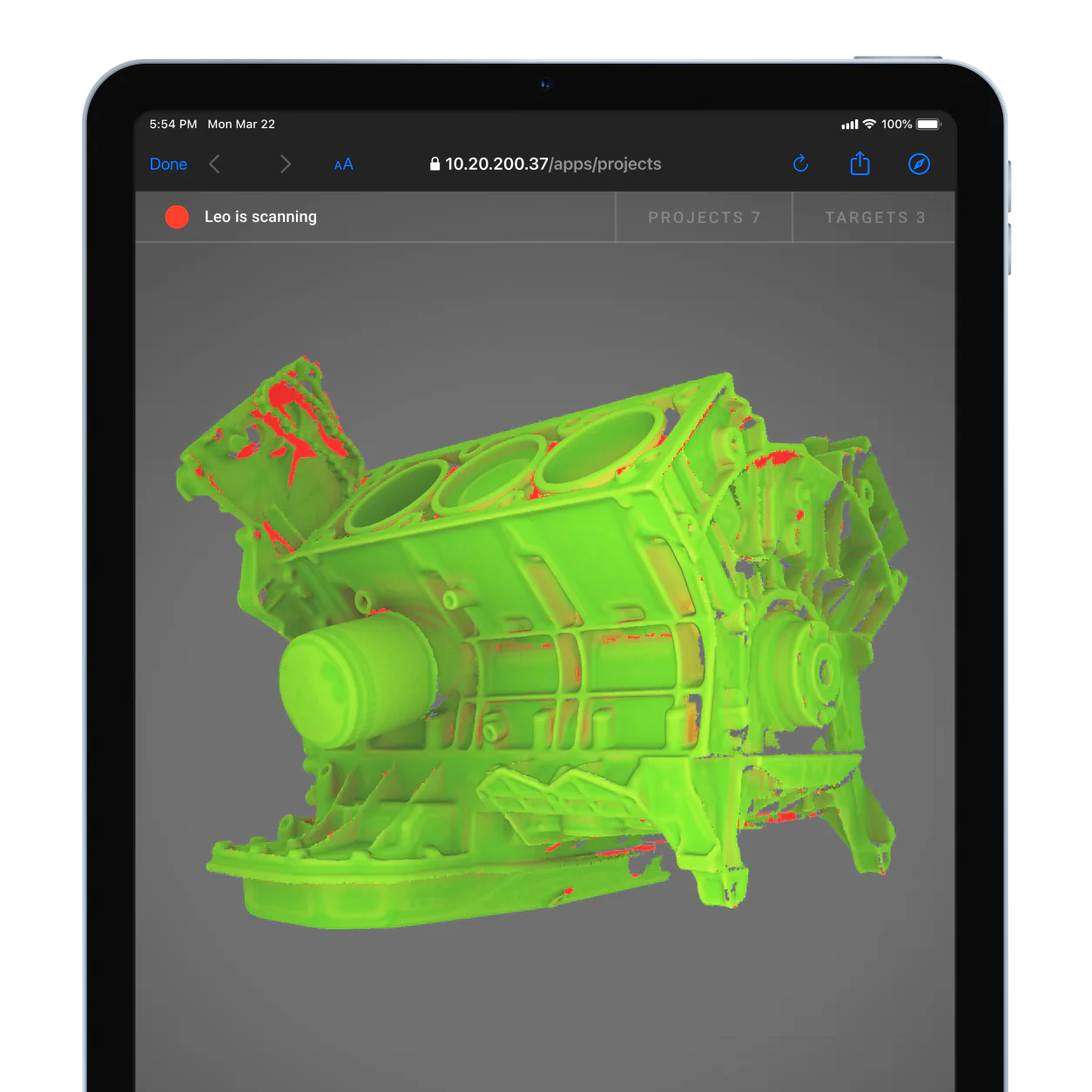
For the vehicle itself, a wireless handheld is the practical choice. The Artec Leo needs no cable or laptop, shows the live scan on its own screen, covers up to 838 × 488 mm per frame at the far end of its range and states 0.1 mm point accuracy, so it moves around a car in a crowded yard and into the cabin. The cabled Artec Eva has the same accuracy figure and suits smaller areas within reach of a laptop. For the vehicle in its scene, with rest positions and road geometry, a tripod LiDAR such as the Ray II adds the context.
Our Leo vs Eva comparison sets the two handhelds side by side, and the Artec Leo is the usual choice for vehicle work because cables and laptops on a yard surface slow everything down. For scenes, the Artec Ray II records from 0.5 to 130 m in color, and our guide to scanners for large sites covers mobile mapping with the Artec Jet as well.
How accurate does a crush scan need to be?
Accurate enough that the scanner is not the weak link, and for crush that bar is modest. Crush is read in centimeters, while the Leo and Eva state 0.1 mm point accuracy and 0.1 mm + 0.3 mm/m over distance, so even across a full vehicle length the stated allowance stays a small fraction of a centimeter. Larger errors usually come from the comparison: an exemplar with a different trim level, bumper cover, tire size or ride height, or an alignment that leaned on panels the impact had moved. Check the fit on undamaged areas before reading any crush.
Our guide to accuracy, resolution and volumetric accuracy explains how a length term such as 0.3 mm/m adds up. For crush, the practical step is a deviation check after alignment: the undamaged areas of the two vehicles should agree closely, and any area that does not is either damage you had missed or a difference between the vehicles that must be explained before the profile is used.
What a scan does not settle
- It records residual crush, the shape after the structure sprang back, not the maximum deformation during the impact.
- Stiffness coefficients, the energy method and the speed estimate are the reconstructionist's analysis, not the scanner's output.
- Damage hidden under a hood or behind a bumper cover is measured only if it is exposed and scanned.
- Chain of custody, documentation and admissibility are questions for your agency or counsel, and we make no claim about them.
Trying it on a vehicle you are working on
A damaged vehicle in storage is the best test of the method. Our guide to what a 3D scanner can scan covers subjects from small evidence to whole scenes, and a demo runs the steps above on a vehicle from one of your own cases.
Frequently asked questions
Can you measure crush without an exemplar vehicle?
Sometimes. When one side of the vehicle is undamaged, the scan of that side can be mirrored to stand in for the original shape. Published dimensions or an accurate 3D model of the same make, model and body style can also serve. An exemplar scan remains the strongest reference, because it is measured the same way as the damaged vehicle.
How long does it take to scan a damaged vehicle?
It depends on the vehicle, the access around it and whether the interior is needed. Artec documents one reconstruction firm whose Leo scans of a vehicle take less than an hour, against three to four hours with its earlier tripod laser scanner. Allow extra time in the crush zone itself, where slow, close passes capture the folds and tears the analysis depends on.
Does a handheld scanner work outdoors at a tow yard?
Yes. The Artec Leo runs on its own battery with no cable or laptop, and the maker states its Class 1 VCSEL light source works in sunlight, so it suits open yards. The tripod-mounted Ray II is rated IP54 against dust and water and works from −5 °C to +40 °C. Wet or very dark paint can need slower passes or a second angle.
Can the scan show intrusion into the passenger compartment?
Yes, if the interior is scanned as well. Comparing the damaged cabin with an exemplar's shows where pillars, the dash, the floor or a door have moved inward. Artec documents a reconstruction firm that uses its Leo scans to match occupants' injuries to the features of the passenger compartment that caused them.
Which files does a crush scan produce?
A color mesh of each vehicle, usually exported as OBJ with its texture, the aligned comparison in an Artec Studio project, and the measurements themselves, which Artec Studio exports as CSV, DXF or XML. Sections and distance maps can go into a report as images, and the meshes can be shared with other experts who need to check the work.
Products in this article
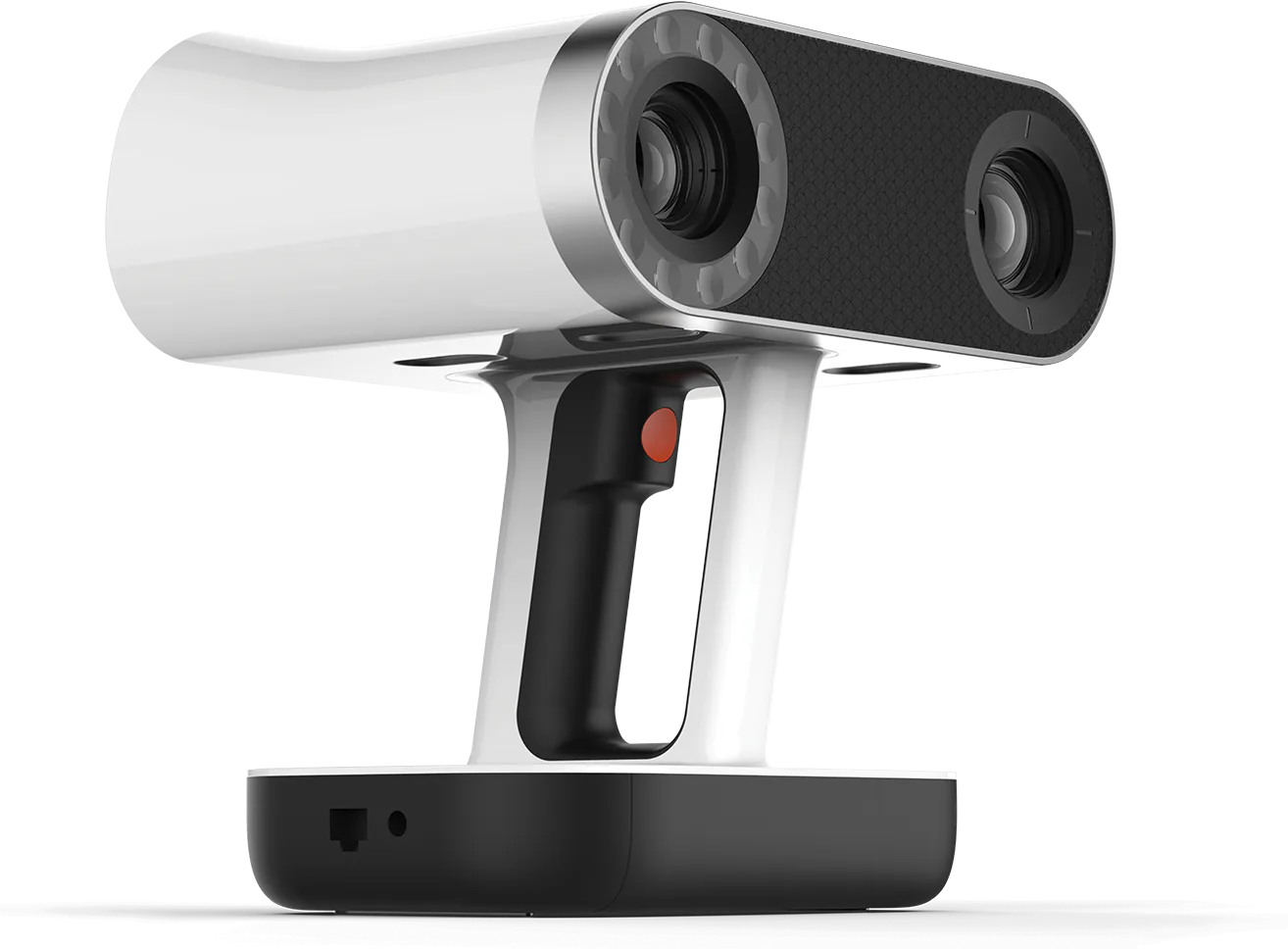 Artec
Leo
Wireless handheld 3D scanner with onboard processing
0.1 mmBest accuracy
A fully wireless scanner with its own screen, processor and battery for medium to large objects.
- Part size
- 0.2–2 m
- Targets
- Not needed
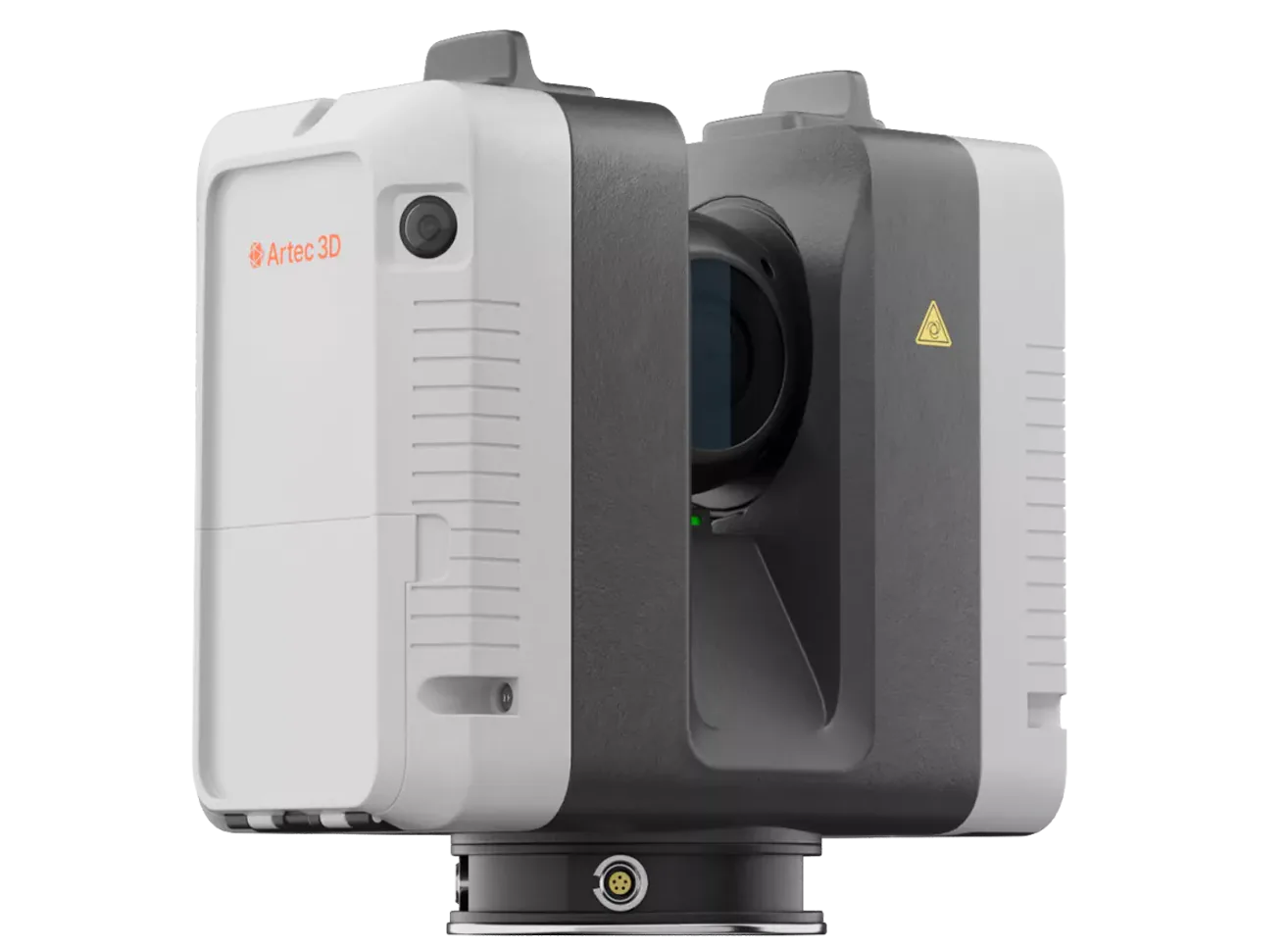 Artec
Ray II
Tripod-mounted long-range LiDAR scanner
1.9 mmBest accuracy
A tripod LiDAR scanner that captures large objects and buildings from 0.5 to 130 m with millimeter accuracy.
- Range
- 0.5–130 m
- Targets
- Not needed
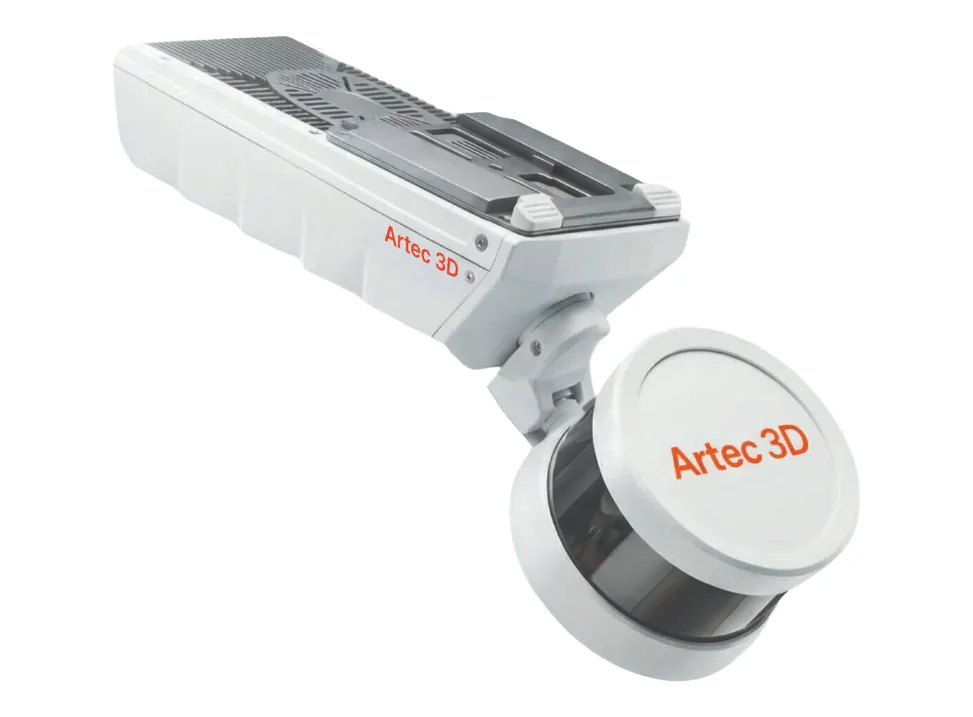 Artec
Jet
Mobile SLAM LiDAR mapping scanner
10 mmBest accuracy
A 1.57 kg mobile LiDAR mapper that works by hand, on a backpack, drone, vehicle or robot, with no GPS needed.
- Range
- 0.5–300 m
- Targets
- Not needed
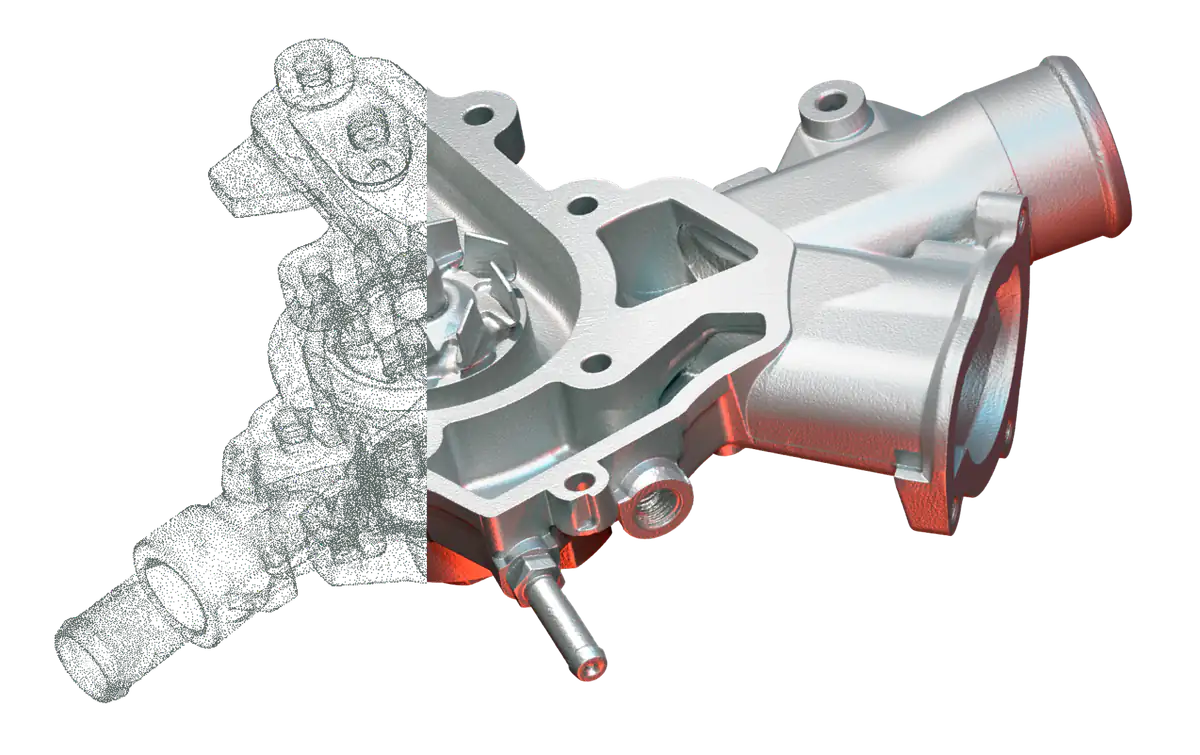 Artec
Artec Studio
3D scan capture and processing software
The capture and processing software for current Artec scanners, with scan-to-CAD and inspection tools built in.
- Runs on
- Windows 10 x64, Windows 11
- Artec Neo support
- Native in Artec Studio