Industry guides
How to template a boat deck with a 3D scanner instead of mylar film
Boat templating with a 3D scanner: how a scan replaces mylar for decking, canvas and upholstery, how to scan a deck outdoors, and how a scan becomes a pattern.
Key takeaways
- A 3D scan records the whole deck once, so decking, covers and cushions for the same boat can all be patterned from one capture.
- Mylar templates still work, but they are traced by hand, stored as rolls and redone whenever a different product is ordered.
- Artec documents a decking fabricator capturing a 45-foot boat in as little as an hour with the Leo, against three to four hours to template even a small boat by hand.
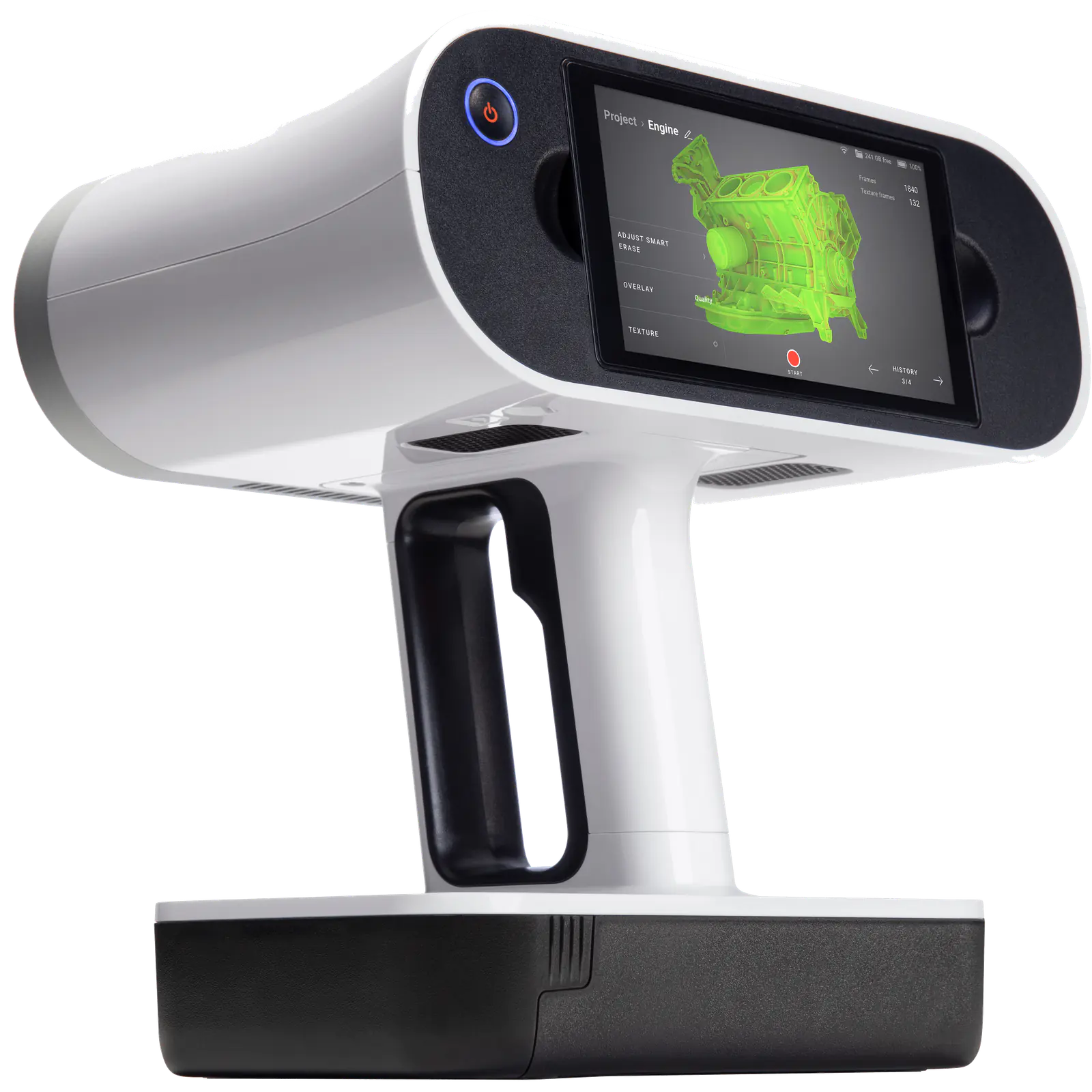
- A wireless scanner with its own screen, such as the Artec Leo, keeps cables and laptops off the deck, and the maker states it scans in sunlight.
- Patterns come from the cleaned mesh: trim the edges, flatten each panel in CAD, then plot or cut.
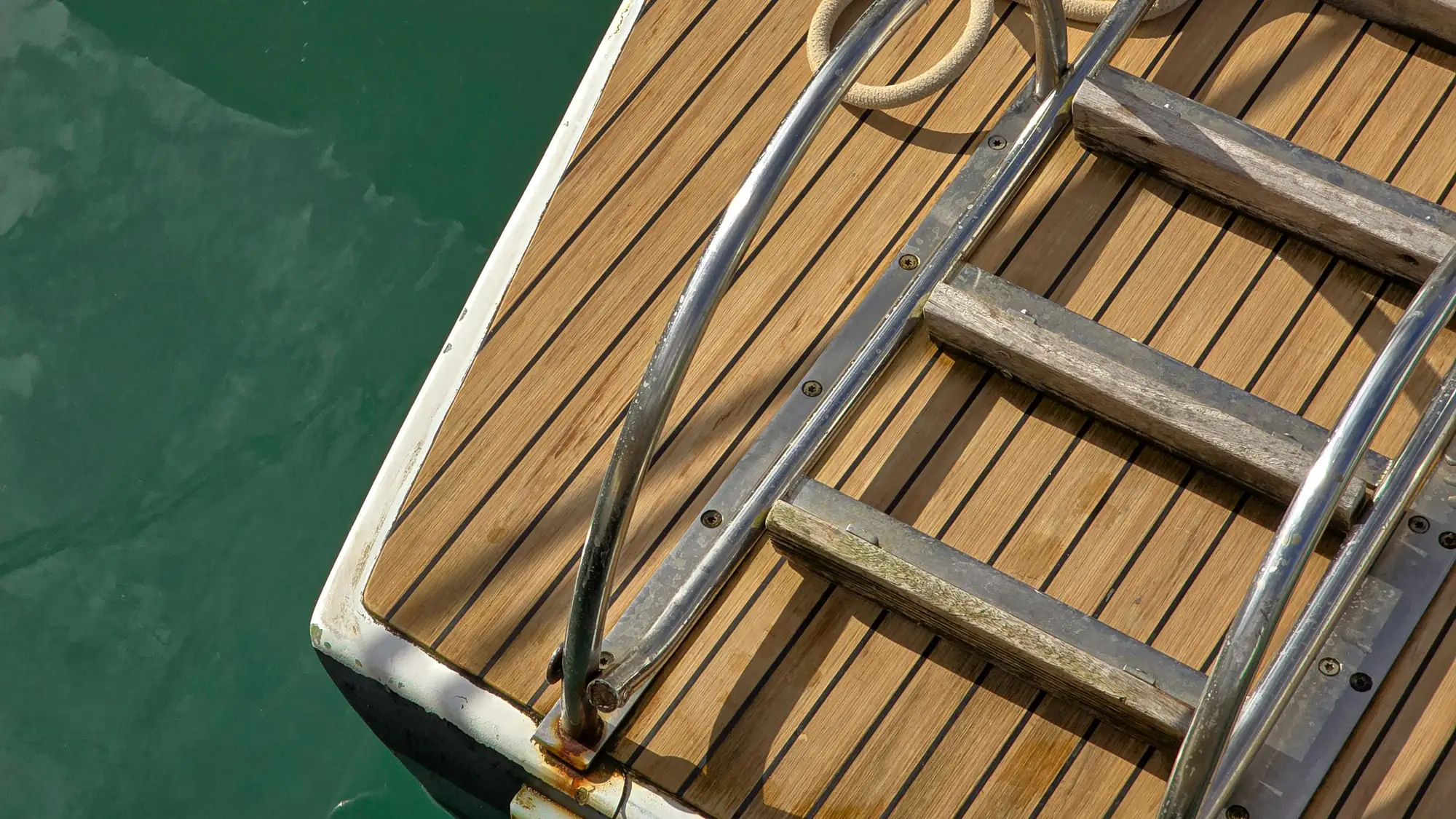
Synthetic teak, canvas, cushions and hardtops all start the same way. Someone kneels on the deck with a roll of clear film, traces every edge, hatch and fitting by hand, and carries the template back to the shop. No two boats are quite the same, and the next order for the same boat often means templating it again. Our marine and shipbuilding page covers hulls, propellers and engine rooms; this guide is about the deck.
We sell the Artec scanners fabricators use for this work and bring them to yards and marinas for on-site demos. Here is how a scan replaces the film, how to capture a deck outdoors, and how a mesh becomes a flat cutting pattern.
In this article
Why are fabricators replacing mylar templates with 3D scans?
Because a template answers one question once, and a scan keeps answering. A traced film records the outline needed for one product on the day it was made. A 3D scan records the whole deck surface, with its curves, camber, hatches and hardware, so decking, a cover and cushions can all be patterned from the same file, and the next order for that boat needs no visit. Scans also keep their shape in storage, where rolled film stretches, tears and takes up space. The trade-off is that someone has to turn the mesh into patterns in CAD.
Artec documents this shift at TT Custom Marine, a synthetic decking fabricator. For most of its history the company hand-drew deck outlines onto clear mylar film and built up thousands of patterns, many of them now idle in storage and some starting to fall apart. Its president explains that when a customer wanted a different product, the boat had to be templated again, even with a template on file. Once a boat is scanned, he says, the firm does not have to go back, whichever product is ordered.
Film, photogrammetry or a handheld scanner
| Method | How it captures the deck | Where it helps | What to watch |
|---|---|---|---|
| Clear film templates | Edges traced by hand onto film laid on the deck | Simple shapes, no software needed | One product per visit; film stretches and wears in storage |
| Photogrammetry with targets | Photos of targets on the deck, solved into 3D points | Large areas from a camera, with little to carry | Targets to place and remove; the result appears only after processing |
| Handheld 3D scanner | A dense mesh of the whole surface, built live | Every product from one capture, with coverage visible on board | The mesh must be cleaned and flattened in CAD |
Photogrammetry earns its place on very large structures, where a target network holds accuracy over many meters; our photogrammetry guide explains how. For decks, cockpits and flybridges, a handheld scanner is usually quicker in practice, because the operator sees the surface build on screen and fills gaps before stepping off the boat.
How do you scan a boat deck outdoors?
With a scanner that copes with sunlight and needs no cable. Bright sun can wash out the light pattern many structured-light scanners project, and a laptop on a cable is awkward and risky on a deck. The Artec Leo has its own screen, battery and processor, and the maker states it can scan in sunlight. Work on the hard or in a calm berth where you can; a handheld follows the deck itself rather than a fixed point ashore, but the operator still needs steady footing. Scan in overlapping passes and slow down along edges, hatches and fittings.
Detail matters as well as coverage. TT Custom Marine's president notes that most boats have a molded non-skid pattern about a millimeter to a millimeter and a half tall, which the firm's first entry-level scanner could not resolve; with the Leo in HD mode, Artec reports, it now picks up that pattern and the color changes around it. Artec also documents the firm capturing a 45-foot boat in as little as an hour, where templating even a small boat by hand took three to four hours.
From scan to cutting pattern
- Walk the boat first and note what each product needs: deck edges, hatches, cleats, rails, drains and the hull-to-deck joint.
- Scan each area in overlapping passes, then go back close over the edges and fittings where patterns will start and stop.
- Check coverage on the scanner's screen before leaving the boat, and rescan any gaps while you are aboard.
- In Artec Studio, register the scans, remove stray data such as reflections and dock lines, and simplify the mesh to a workable size.
- Export the mesh to your CAD or pattern software, such as Rhino, and draw each panel's outline on the real surface.
- Flatten each panel into a 2D pattern, add seams, gaps and caulk lines, then plot it or send it to the CNC cutter.
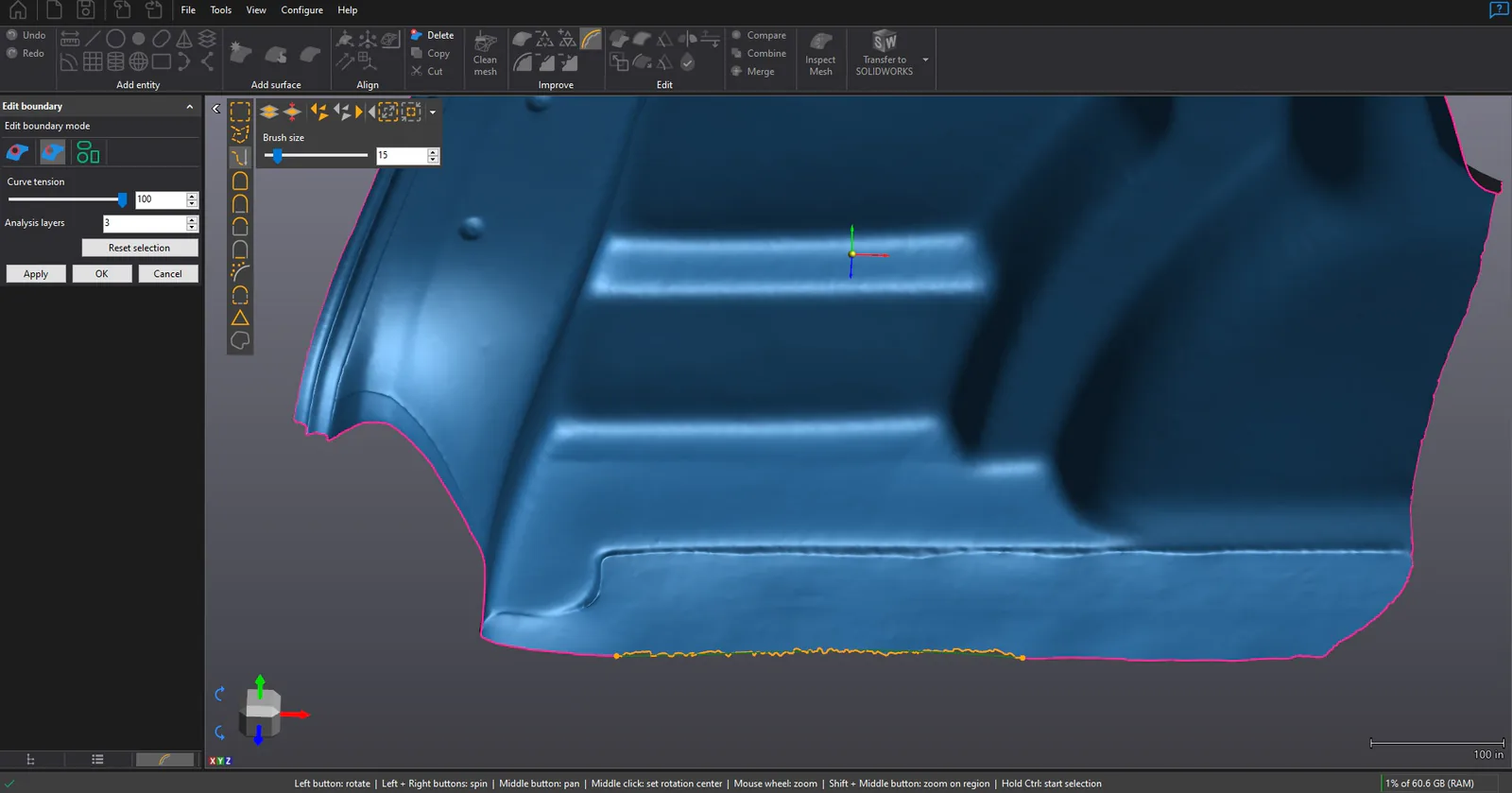
Artec documents the same chain at TT Custom Marine: scans processed in Artec Studio, which the firm says replaced three separate programs for cleanup and texturing, then exported to Rhino for modeling and for preparing production files. Large boats produce large datasets, and simplifying the mesh early keeps the CAD work responsive.
How accurate does a deck scan need to be?
More accurate than hand templating, but nowhere near metrology. Patterns have to meet edges, seams and fittings cleanly, which is a millimeter-scale question, while the Artec Leo states 0.1 mm point accuracy and 0.1 mm + 0.3 mm/m over distance. Even across a large deck the stated allowance stays within a few millimeters, so the scanner is rarely the limit; how carefully edges are traced and how each flat pattern is developed matter more. The cabled Artec Eva has the same accuracy figure and suits smaller cockpits worked within reach of a laptop.
Our Leo vs Eva comparison sets out the trade between the wireless and cabled scanners, and our guide to scanners for large objects covers bigger structures. When a job grows from a deck to a full hull or a yard, the tripod-mounted Artec Ray II records from 0.5 to 130 m in color, and its data merges with Artec Leo scans in Artec Studio.
Building a scan library of boats
- Store each scan with the boat's hull identification number, model and date, so the next order starts from the file.
- Boats from the same molds share a hull, but cockpit hardware is often fitted in slightly different places, so scan each boat rather than reusing a sister boat's file.
- Pattern every product from the one scan: decking, covers, cushions, hardtop panels and enclosures.
- Keep the raw project as well as the processed mesh, so a later job can be reprocessed at higher detail.
Artec reports that TT Custom Marine calls its scans archival, because unlike film they do not deteriorate, and that the firm is exploring scanning assemblies so they can be reproduced and fitted to the same spot on every boat of a model.
Trying it on your own boat
The best test is a boat you would otherwise template this month. Our guide to what a 3D scanner can scan covers sizes, materials and finishes, and a demo shows the mesh you would take into your pattern software.
Frequently asked questions
Can a 3D scanner replace mylar templates completely?
For most deck, cover and upholstery work, yes, provided someone in the shop can turn a mesh into flat patterns in CAD. Some fabricators keep film for quick one-off jobs or for spots that are easier to trace than to scan, such as tight lockers. The gain is that a scanned boat never needs templating again for a different product.
Does a handheld 3D scanner work in direct sunlight?
It depends on the scanner. The maker states that the Artec Leo, which projects its pattern with a class 1 VCSEL light source, can scan in sunlight. Other structured-light scanners can lose their pattern in bright sun, and Artec reports that one decking fabricator's earlier entry-level scanner needed screens to shade the deck. Test on your own boat in your usual conditions.
What software turns a deck scan into a flat pattern?
The scanner's own software registers, cleans and simplifies the scan; for Artec scanners that is Artec Studio. The mesh then goes to CAD or pattern software, such as Rhino, where panel outlines are drawn on the real surface and flattened into 2D patterns for a plotter or CNC cutter. Artec Studio exports common mesh formats such as OBJ and STL.
Can you scan a boat while it is in the water?
Often, yes. A target-free handheld scanner registers each frame against the deck it has already captured, so the gentle motion of a boat in a calm berth matters less than it would to a tripod instrument. Wakes, wind and footing are the practical limits, and a boat on the hard is always easier. Avoid scanning across bright reflections from the water.
Can the same scan be used for covers, cushions and hardtops?
Yes, and that is the main gain over film. One scan of the deck, cockpit and superstructure holds every surface a fabricator needs, so patterns for decking, covers, cushions or hardtop panels come from the same file. Scan beyond the immediate job, such as the rails and windscreen, so later products need no second visit.
Products in this article
 Artec
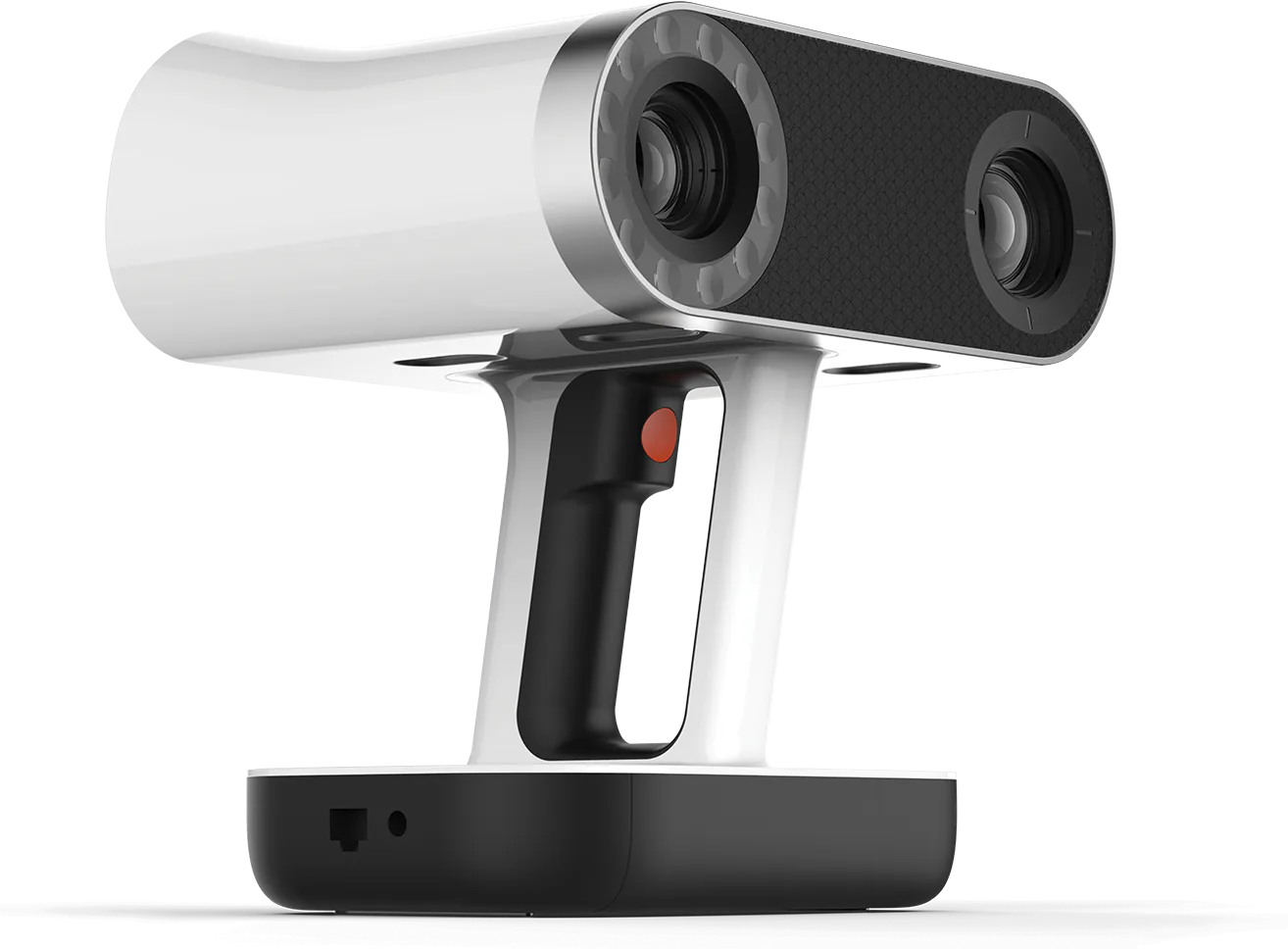
Leo
Wireless handheld 3D scanner with onboard processing
0.1 mmBest accuracy
A fully wireless scanner with its own screen, processor and battery for medium to large objects.
- Part size
- 0.2–2 m
- Targets
- Not needed
 Artec
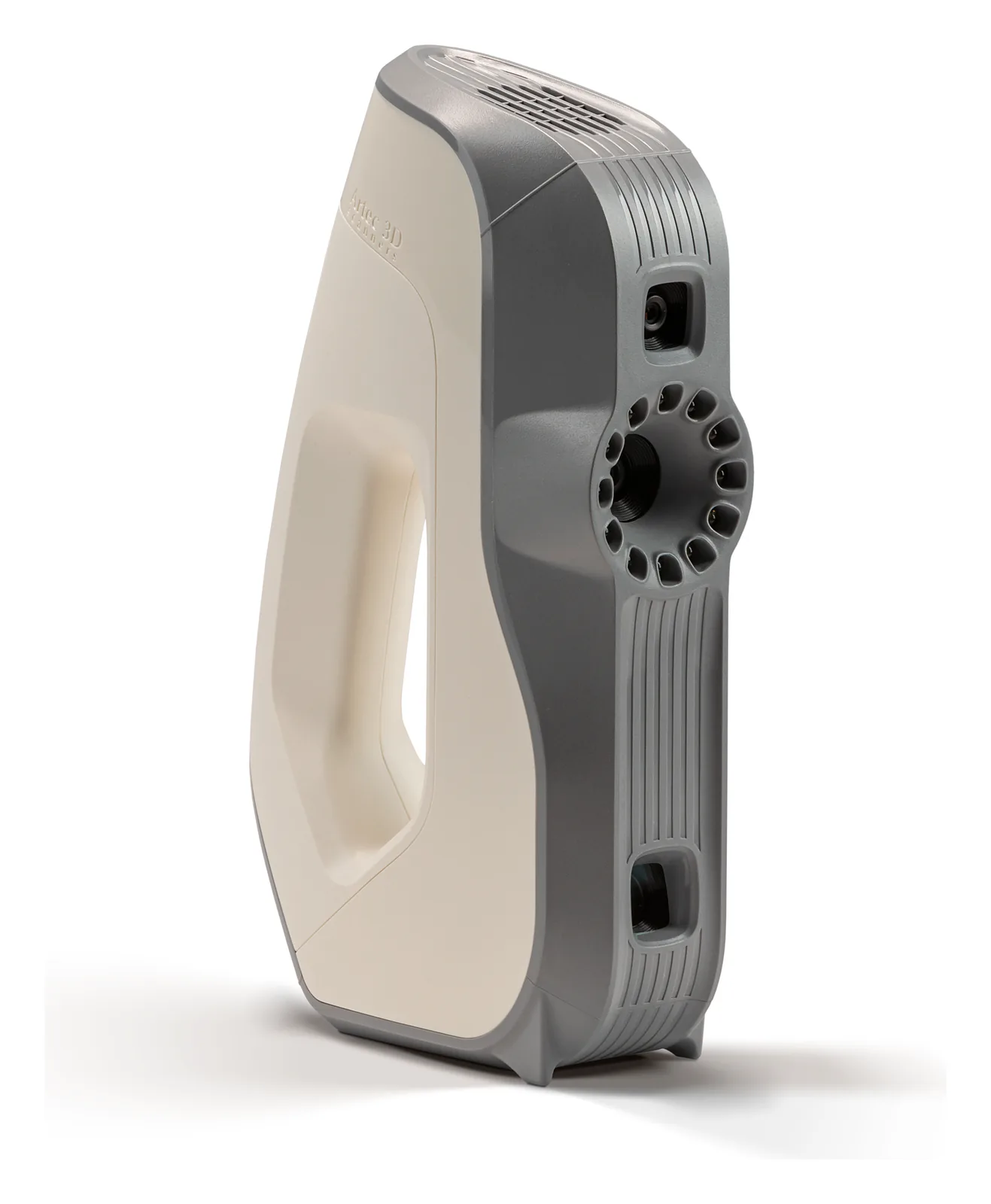
Eva
Handheld structured-light 3D scanner
0.1 mmBest accuracy
A 0.9 kg target-free color scanner for medium objects, people and parts from about 10 cm up.
- Part size
- 0.1–2 m
- Targets
- Not needed
 Artec
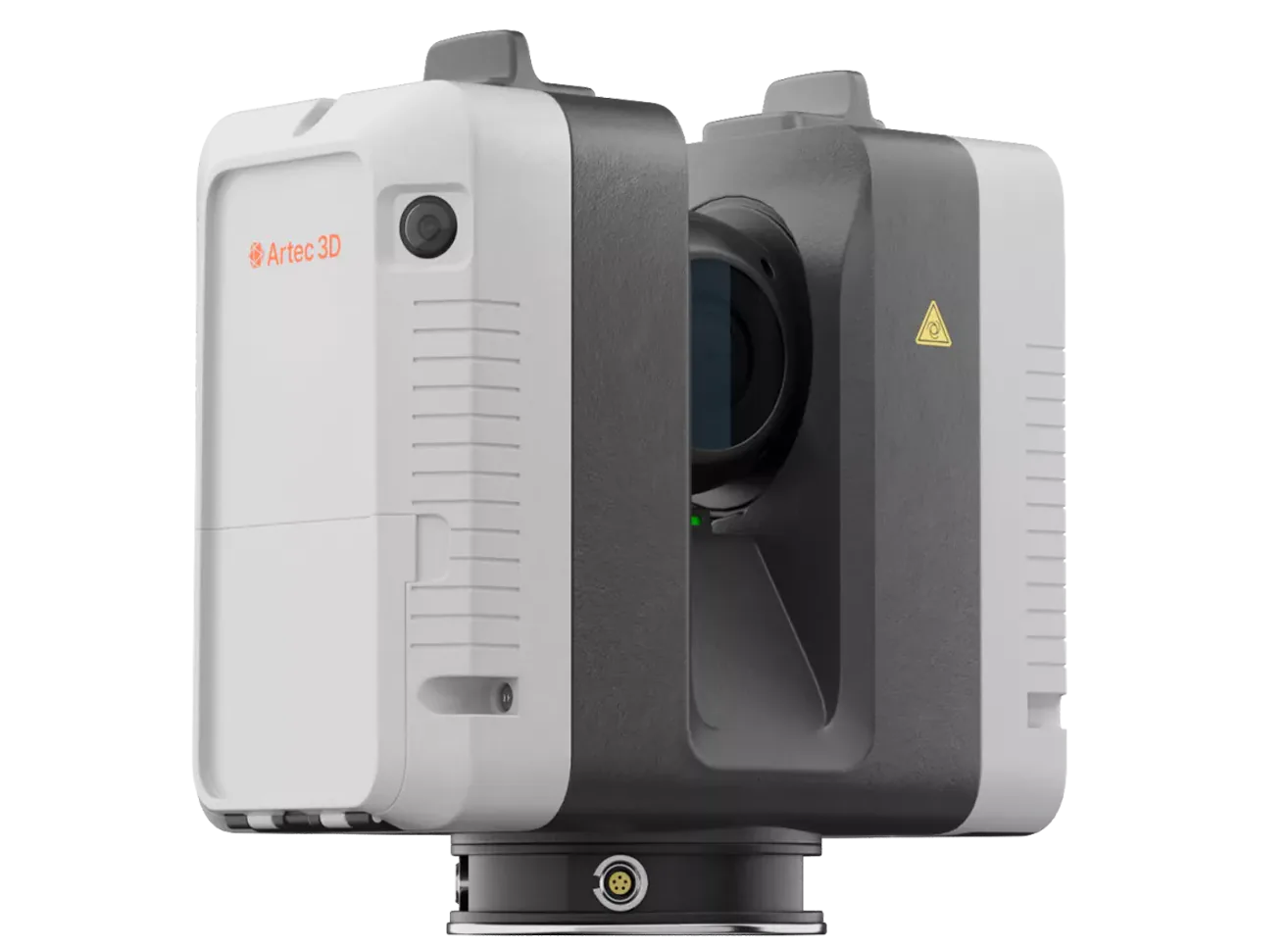
Ray II
Tripod-mounted long-range LiDAR scanner
1.9 mmBest accuracy
A tripod LiDAR scanner that captures large objects and buildings from 0.5 to 130 m with millimeter accuracy.
- Range
- 0.5–130 m
- Targets
- Not needed
 Artec
Artec Studio
3D scan capture and processing software
The capture and processing software for current Artec scanners, with scan-to-CAD and inspection tools built in.
- Runs on
- Windows 10 x64, Windows 11
- Artec Neo support
- Native in Artec Studio