Industry
3D scanning for oil and gas, energy and power
Inspect pumps, turbines and pressure vessels where they are installed, plan repairs from real geometry, and rebuild critical spares before downtime stretches.
Key takeaways
- Portable scanners inspect installed pumps, turbines and pressure vessels on site.
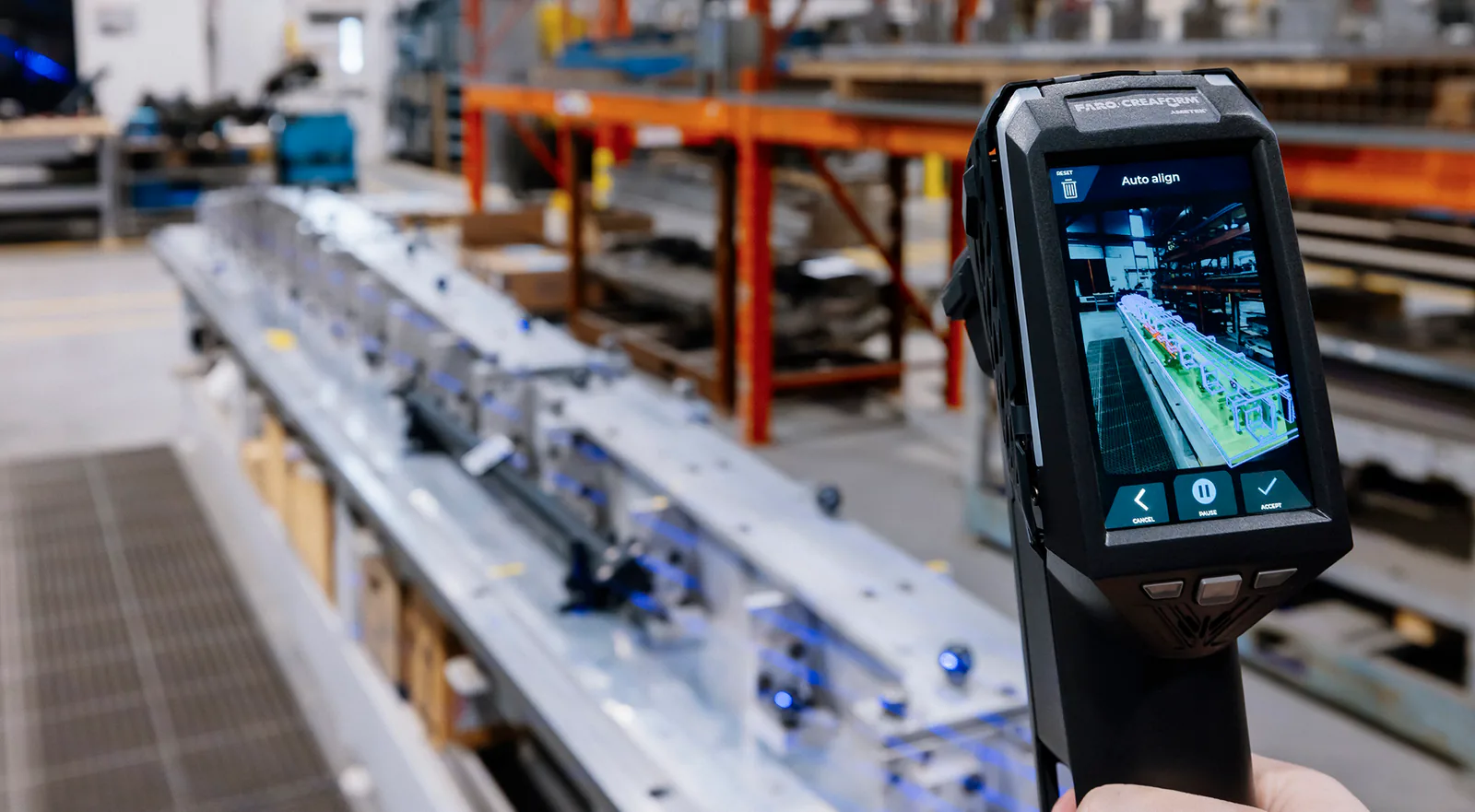
- The HandySCAN MAX EVO covers large equipment and structures, with Creaform's Pipeline NDT module for damage assessment.
- The Artec Leo is wireless and self-contained for field work; the Ray II captures whole facilities.
- Critical spares are scanned and rebuilt in CAD when the original drawings are gone.
Where does measurement cost energy operators the most?
In downtime. When a pump, turbine or pressure vessel needs inspection or repair, every day of measuring and waiting for parts keeps the asset offline. Equipment is large, installed and often far from a lab, so traditional measurement is slow or impossible. Critical spares may be decades old, with no usable drawings, and replacing one starts with measuring the worn original. Portable 3D scanning goes to the asset: it captures corrosion, wear and deformation as full-surface data in place, compares it with nominal geometry to plan the repair, and recovers the geometry of spares that have no CAD.
Typical applications
On-site inspection of rotating equipment
Scan pumps, impellers and turbine components in place and compare them with nominal CAD.
Pressure vessels and pipework
Capture corrosion, dents and deformation on vessels and structures for integrity assessment.
Reverse engineering of critical spares
Recover geometry from worn or obsolete parts to remanufacture them without the original drawings.
Facility documentation
Record plant rooms and facilities as point clouds for planning, retrofits and change tracking.
What do we scan for oil, gas, energy and power teams?
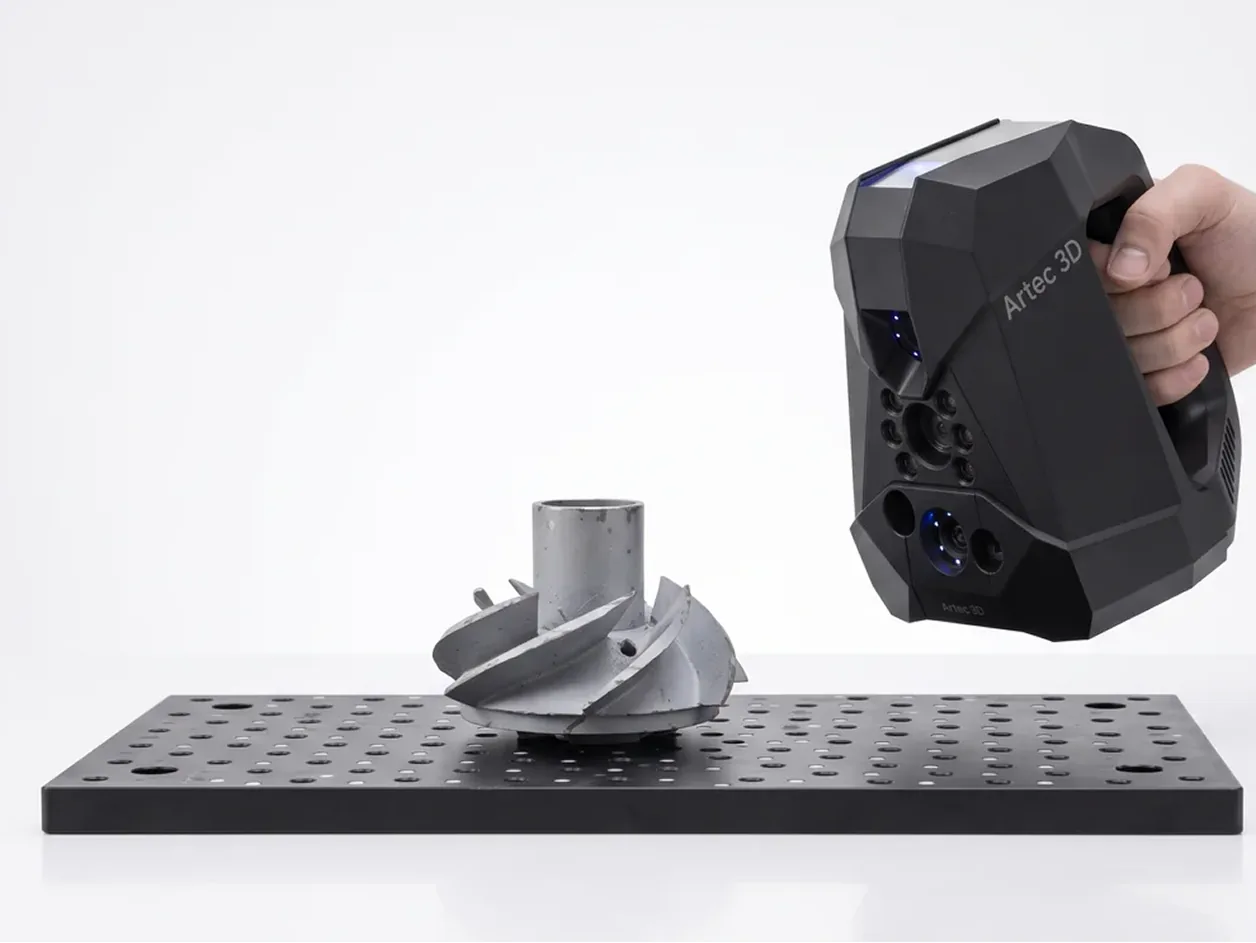
Equipment where it is installed, and the spares that keep it running. Pump casings and impellers, turbine blades and housings, valves, pressure vessels, pipework and the structures around them are scanned on site, often in poor light and tight space. Whole plant rooms and facilities are captured as point clouds for planning. The table pairs each with what is usually checked and the scanner class suited to field conditions, where cables, power and room for a laptop are not a given.
| What we scan | What is checked or rebuilt | Scanner class that suits it |
|---|---|---|
| Pump casings and impellers | Wear, erosion and passages against CAD | Hybrid blue-light handheld or metrology laser handheldNeo, HandySCAN EVO |
| Turbine blades and housings | Profile, wear and repair areas | Metrology laser handheldHandySCAN EVO, Point II |
| Pressure vessels, tanks and pipework | Corrosion, dents and deformation for integrity assessment | Large-part laser handheld with damage-assessment softwareHandySCAN MAX EVO |
| Valves and critical spares | Geometry for a CAD rebuild | Laser handheld or wireless structured lightHandySCAN EVO, Leo |
| Large rotating equipment in place | Overall form and position, scanned with no cable | Wireless handheldLeo, HandySCAN MAX EVO |
| Plant rooms and facilities | As-built layout for retrofits and change tracking | Tripod LiDAR or mobile mappingRay II, Jet |
What we scan for oil and gas, energy and power
Pump casings and impellers
- What is checked or rebuilt
- Wear, erosion and passages against CAD
- Scanner class that suits it
- Hybrid blue-light handheld or metrology laser handheldNeo, HandySCAN EVO
Turbine blades and housings
- What is checked or rebuilt
- Profile, wear and repair areas
- Scanner class that suits it
- Metrology laser handheldHandySCAN EVO, Point II
Pressure vessels, tanks and pipework
- What is checked or rebuilt
- Corrosion, dents and deformation for integrity assessment
- Scanner class that suits it
- Large-part laser handheld with damage-assessment softwareHandySCAN MAX EVO
Valves and critical spares
- What is checked or rebuilt
- Geometry for a CAD rebuild
- Scanner class that suits it
- Laser handheld or wireless structured lightHandySCAN EVO, Leo
Large rotating equipment in place
- What is checked or rebuilt
- Overall form and position, scanned with no cable
- Scanner class that suits it
- Wireless handheldLeo, HandySCAN MAX EVO
Plant rooms and facilities
- What is checked or rebuilt
- As-built layout for retrofits and change tracking
How do field conditions and worn surfaces affect a scan?
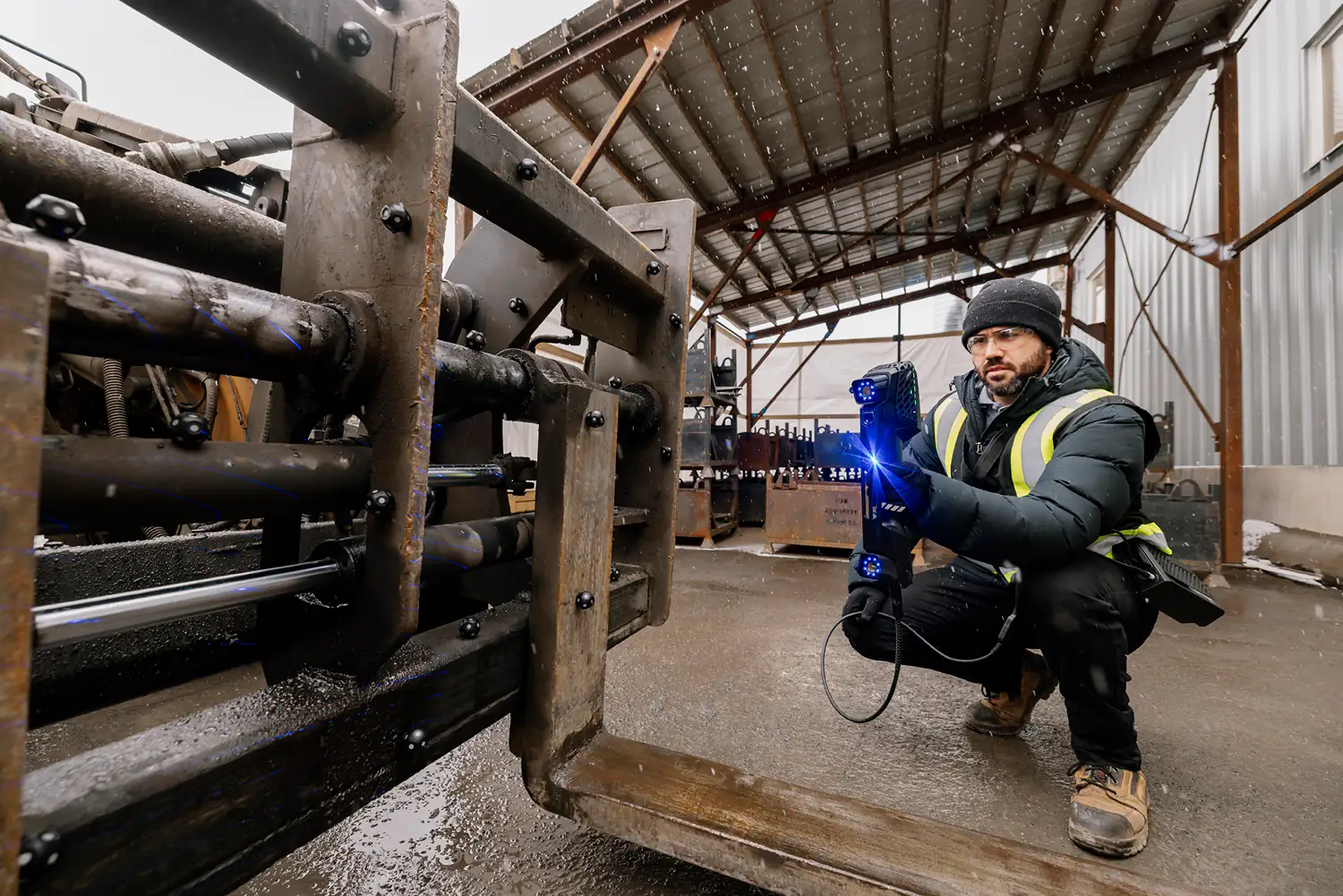
More than the base material does. Weathered steel, cast iron, corroded and pitted surfaces, painted structures and insulation cladding usually scan well, because they are dull. What gets in the way is the site: rain or condensation on a surface, oil and residue, poor light, heat and tight access. Plan for clean, dry areas where the measurement matters, a scanner that works without a cable where access is tight, and a rated temperature range that suits the site.
Corroded and pitted steel
Dull and textured, it usually scans well, and the scan records the pitting you need to assess.
Cast iron and bronze
Pump and valve castings usually need no preparation; machined seats and bright faces may need a test.
Wet, oily or frosted surfaces
Water and oil make a surface shine and can hide the real one. Wipe and dry the area that matters first.
Insulation, cladding and paint
Usually scan well. Bright metal cladding behaves like polished metal and may need a test or a removable spray.
Which energy jobs do we scan most often?
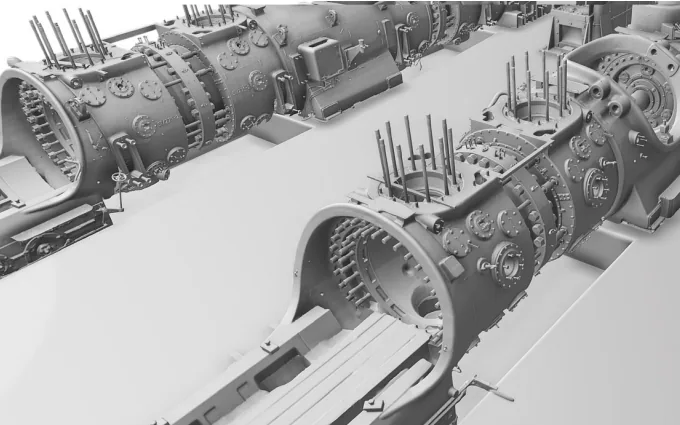
Four, all driven by downtime: measuring a worn pump or turbine part before an overhaul so the right repair is ordered, assessing corrosion or a dent on a vessel or pipe, rebuilding an obsolete spare from the part itself, and capturing a plant room before a retrofit. In each case the scan replaces slow measurement by hand with a full-surface record that engineers can review away from the site.
Overhaul planning
Scan a worn impeller, casing or blade before the overhaul and compare it with nominal, so the repair is planned from real geometry.
Integrity assessment
Capture corrosion, dents and deformation on vessels, tanks and pipes as full-surface data for assessment.
Obsolete spare rebuilt
Scan the worn original, rebuild it in CAD and remanufacture it when no drawing survives.
Retrofit layout
Capture a plant room as a point cloud before new equipment goes in, then add detail with a handheld.
Where does Creaform fit in energy work?
Creaform's strength is portable metrology on site. The HandySCAN EVO and MAX EVO go wireless with the Mobility Kit, so a technician scans equipment without a cart and cable, and the EVO's touchscreen keeps coverage visible on the scanner. The MAX EVO covers parts and structures from 1 to 15 m, and Creaform pairs it with the Pipeline and Aircraft modules of its Integrity Suite for NDT damage assessment of tanks, pressure vessels and pipes. For critical spares, Scan-to-CAD rebuilds geometry from the scan. Creaform lists energy and heavy equipment among the MAX Series' industries.
Creaform products named here:
Where does Artec fit in energy work?
Artec's strength is field capture without infrastructure. The Leo carries its own battery, processor and screen, so it scans equipment on a rig or in a plant with no power outlet or laptop, and Artec cites offshore rigs among its field uses. The Neo, also wireless, captures impeller passages and recesses where targets cannot go, with targets only where tolerances matter. For whole facilities, the Ray II captures plant rooms from a tripod, and the Jet maps large sites, tunnels and industrial plants on the move without GPS.
Artec products named here:
Which scanners are best for oil and gas, energy and power?
For oil and gas, energy and power, these four scanners are the strongest fits across the Creaform and Artec ranges: HandySCAN MAX EVO, HandySCAN EVO, Leo and Ray II. Each card says why it fits and shows one headline fact taken from the maker's published specifications. They are not ranked against each other, because the right choice depends on the size of what you scan, the accuracy you need and your surfaces. Compare them side by side in the table, then see the one you favor scan your own work before you decide.
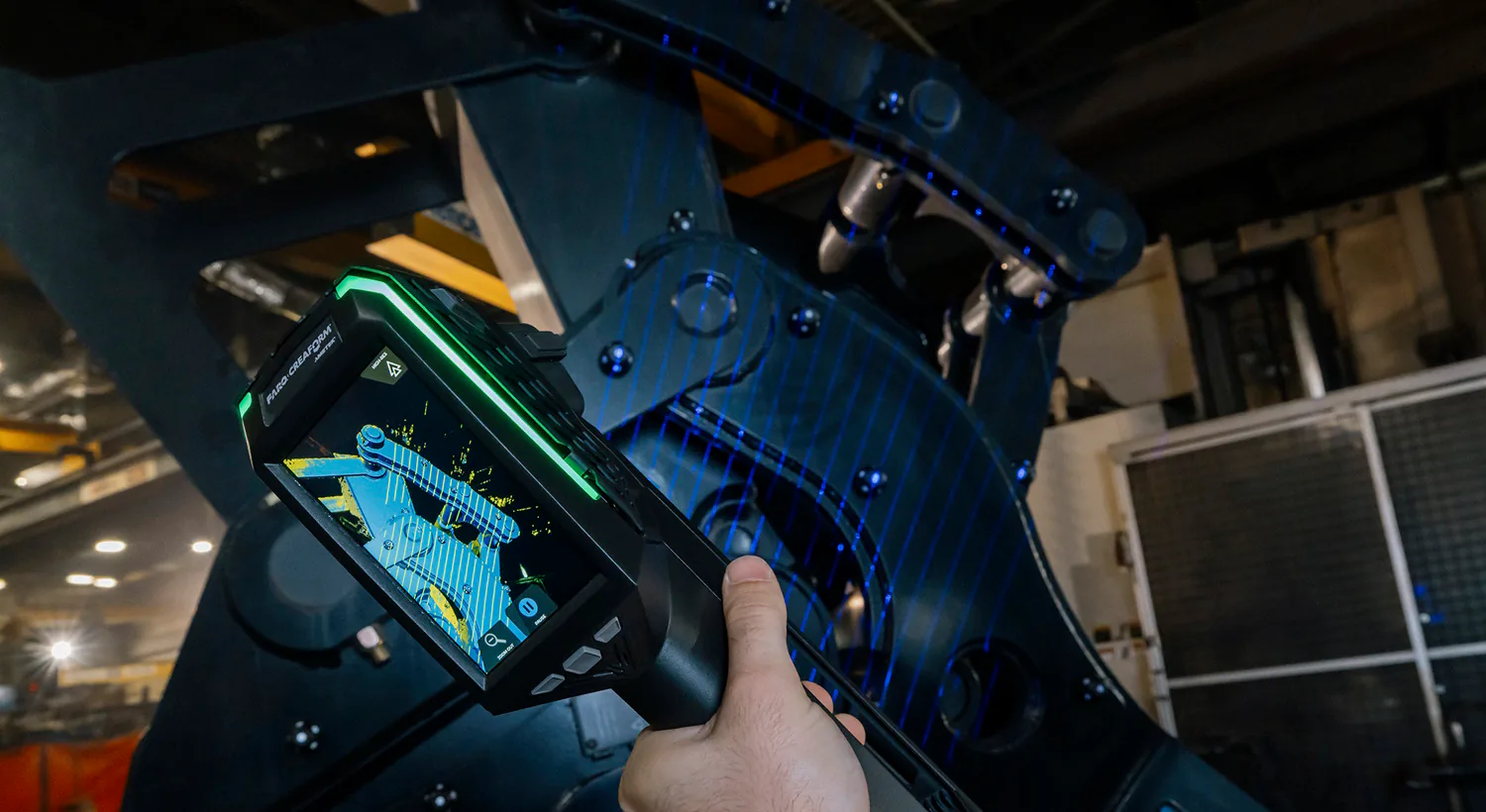
Creaform
HandySCAN MAX EVO
Handheld blue-laser 3D scanner for large parts
Large equipment and structures scanned in place, wireless with the Mobility Kit, with no surface preparation.
- Recommended part size
- 1–10 m (MAX EVO); 1–15 m (MAX EVO Elite)
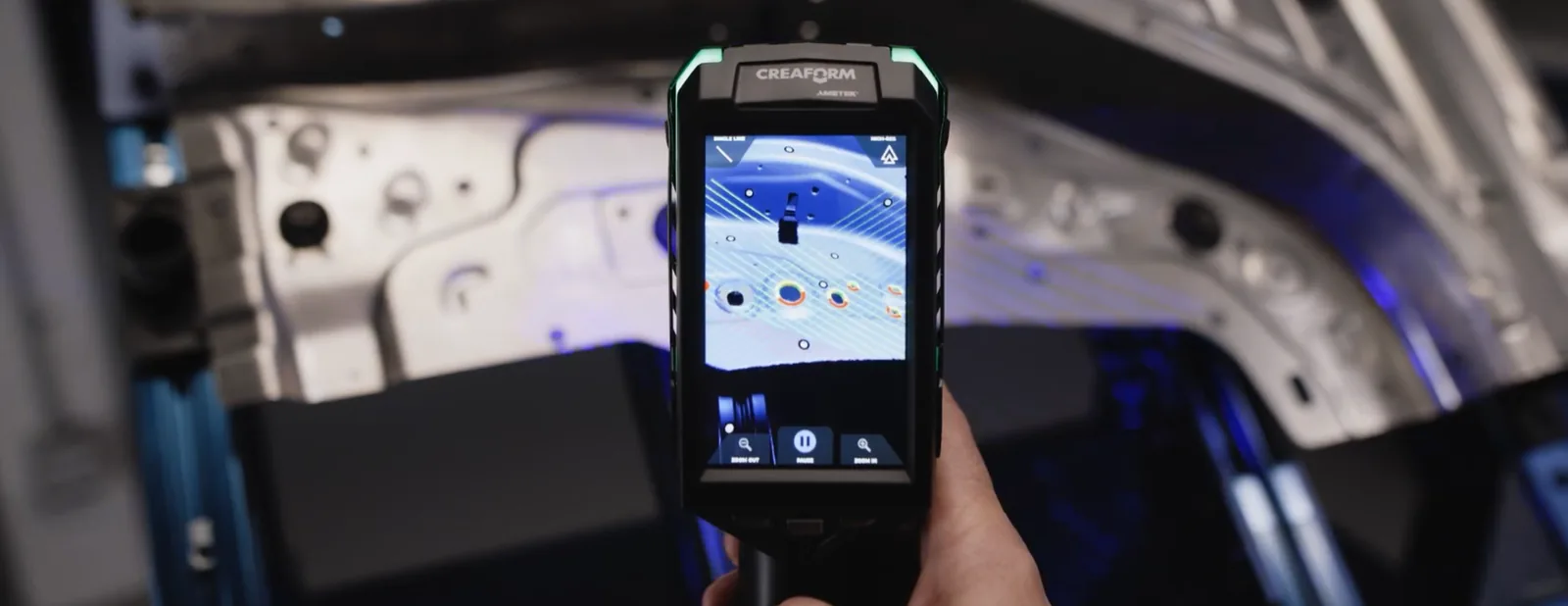
Creaform
HandySCAN EVO
Handheld metrology-grade blue-laser 3D scanner
Accredited accuracy for pumps, impellers and spares, with a touchscreen and a wireless option for field work.
- Accuracy
- 0.020–0.025 mm (by model)
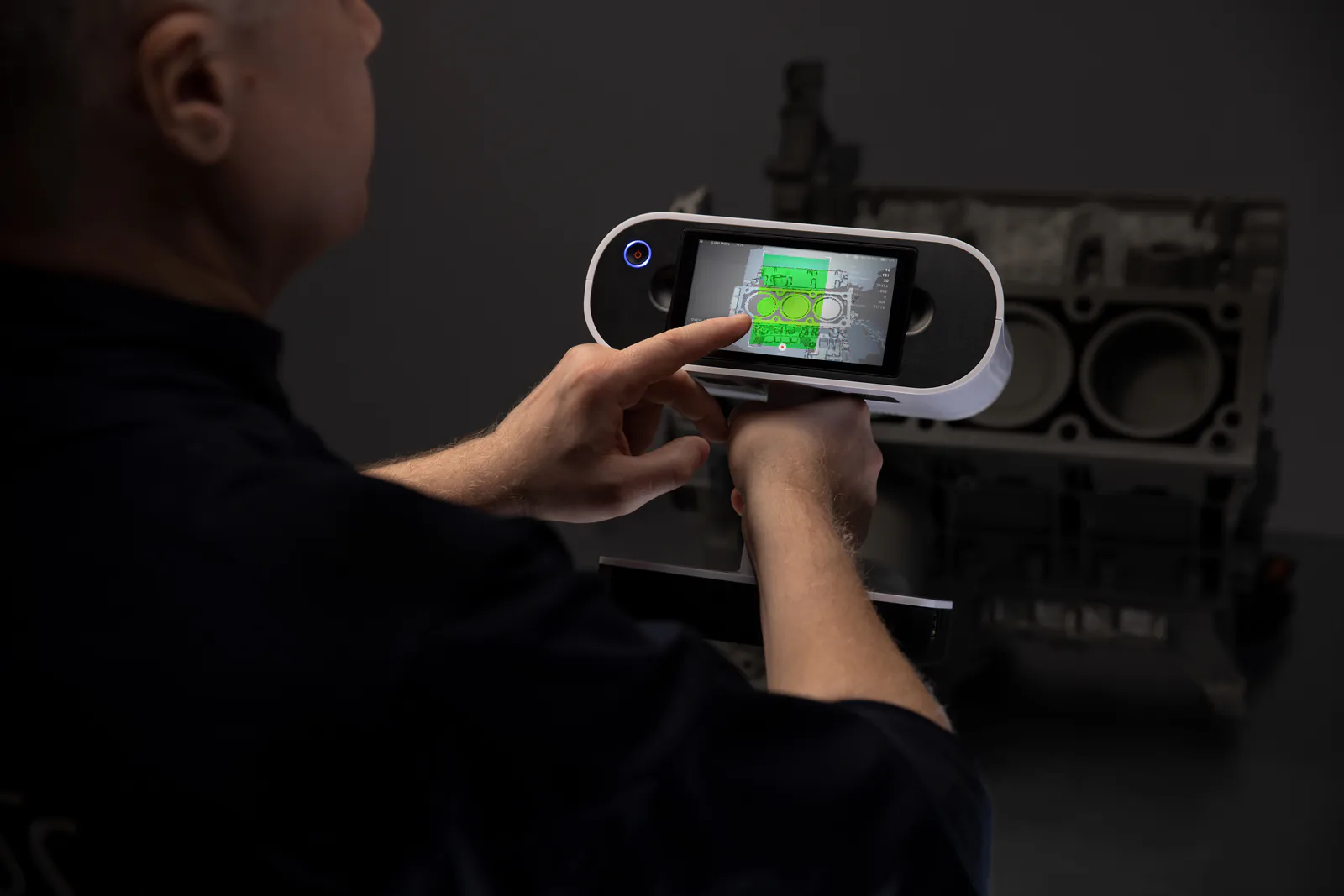
Artec
Leo
Wireless handheld 3D scanner with onboard processing
A self-contained wireless scanner for field work where there is no power or room for a laptop.
- Wireless operation
- Yes
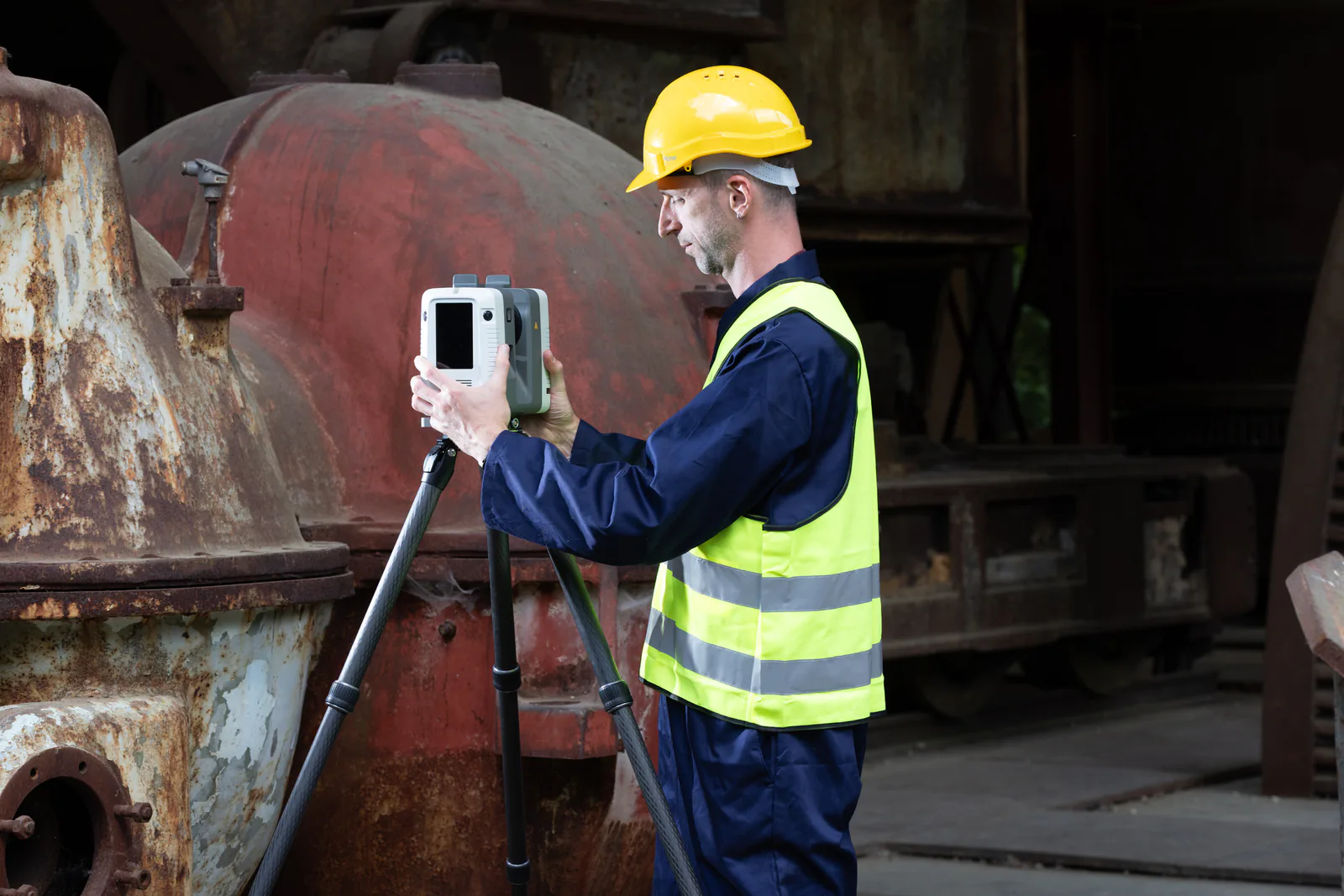
Artec
Ray II
Tripod-mounted long-range LiDAR scanner
Long-range capture of plant rooms and facilities for planning, retrofits and change tracking.
- Working distance
- 0.5–130 m
| Specification | HandySCAN MAX EVO | HandySCAN EVO | Leo | Ray II |
|---|---|---|---|---|
| Technology | Blue laser triangulation | Blue laser triangulation | Structured light (VCSEL) | LiDAR, time of flight with Waveform Digitizing |
| Accuracy | 0.075–0.150 mm (by model) | 0.020–0.025 mm (by model) | Up to 0.1 mm | 1.9 mm @ 10 m; 2.9 mm @ 20 m; 5.3 mm @ 40 m |
| Recommended part size | 1–10 m (MAX EVO); 1–15 m (MAX EVO Elite) | 0.05–4 m | 0.2–2 m | Range 0.5–130 m (LiDAR) |
| Positioning targets | Required | Required | Not needed | Not needed |
| Color texture | No | No | Yes | Yes |
| Wireless operation | With the Mobility Kit (accessory) | With the Mobility Kit (accessory) | Yes | Yes |
| Weight | 1.28 kg | 1.02–1.04 kg (by model) | 2.6 kg | 5.35 kg (nominal, without batteries) |
Specs checked:
What does a demo on energy equipment show?
Pick an asset or spare that costs you downtime: a worn impeller, a pump casing, a corroded section, or an obsolete part with no drawing. We scan it at your site and show you the full-surface result compared with nominal CAD, or a mesh ready to rebuild the spare. You see how the scanner handles your conditions and surfaces, and whether it needs targets or a cable. On-site demos are available in most areas; ask when you request, and describe the site and its access rules.
What else do oil, gas, energy and power teams ask?
Can a 3D scanner inspect equipment where it is installed?
Yes; portable scanners are designed for it. The HandySCAN EVO and MAX EVO work wirelessly with the Mobility Kit, the Artec Leo needs no cable or laptop at all, and the Artec Neo runs on batteries over Wi-Fi. Scans are compared with nominal CAD to plan the repair before the equipment comes apart.
Can I reverse engineer an obsolete pump or turbine part?
Yes. Scan the part, or a worn original, and rebuild it in CAD with Creaform's Scan-to-CAD module or Artec Studio, then remanufacture it. For impellers and passages that targets cannot reach, the Artec Neo captures deep channels target-free; for machined features, a HandySCAN EVO keeps fits accurate.
Which scanner documents a whole plant or facility?
LiDAR. The Artec Ray II captures facilities from tripod positions, from 0.5 to 130 m with color, and the Artec Jet maps plants, tunnels and sites on the move without GPS. Detailed equipment within the facility can then be scanned with a handheld scanner and merged with the site data.
See it measure your equipment where it stands
Choose the pump, turbine component, vessel or spare that is hardest to measure today. We scan it on site and show you the result against CAD, or the path to a rebuilt model. On-site demos are available in most areas; ask when you request.